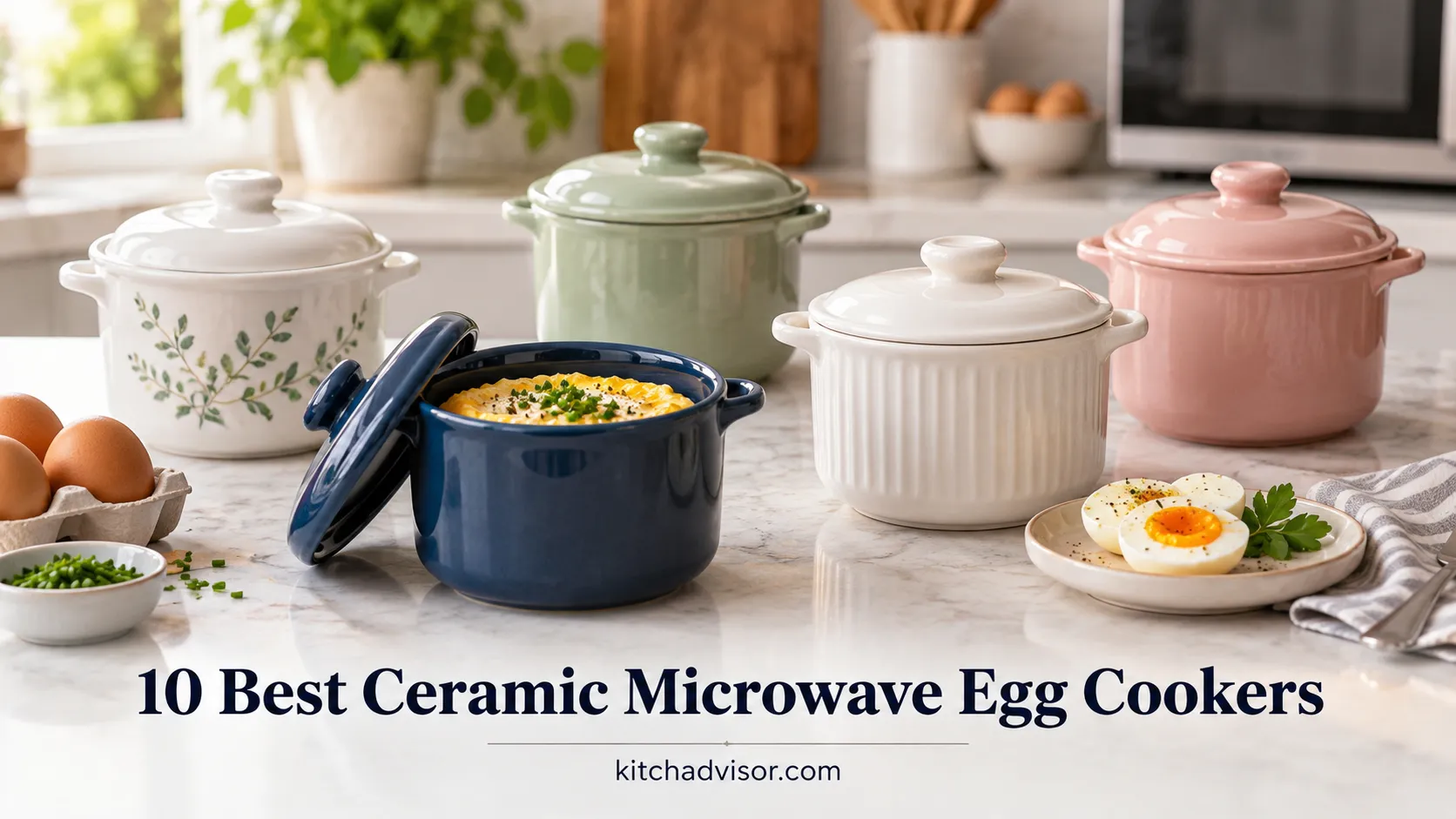
A skillet and a carton of eggs used to be the fastest route to breakfast, but a microwave egg cooker now beats that timeline by minutes. These small ceramic, stoneware, or plastic vessels are built to steam, poach, or scramble eggs using nothing but microwave energy, which means no oil splatter on the stovetop and no pan to scrub afterward. For anyone rushing out the door, sharing a dorm kitchen, or cooking in an RV with limited counter space, that trade-off is an easy sell.
Microwaves cook unevenly by nature, so the design of the cooker matters more than the marketing copy on the box. A dome lid with a steam vent helps eggs cook through without turning rubbery at the edges or exploding out the top. Material matters too: true ceramic and stoneware retain heat more evenly than thin plastic, but they run heavier, cost more, and can crack if dropped. The best microwave egg cooker for a given kitchen depends on how many eggs you’re making, whether you want a poached, scrambled, or fried result, and how much cleanup you’re willing to tolerate.
Capacity claims printed on packaging also deserve a skeptical eye, since a “12-ounce” ceramic bowl behaves differently depending on your microwave’s wattage and how full you fill it. We looked at build quality, real capacity, venting design, and cleanup across ten of the most popular options on Amazon to help narrow the field.
Best for breakfast sandwiches: OXO Good Grips Microwave Egg Cooker
Best true ceramic pick: Pampered Chef Ceramic Egg Cooker
Best for soups and omelets: Roe & Moe Ceramic Egg Poacher
Best for single servings: Stoneware Wave Microwave Cooker
Best budget plastic option: Sistema Easy Eggs Cooker
Best for feeding a family: ReneeChef 4-Egg Ceramic Cooker
Best for dorm rooms: Chef Buddy Microwave Egg Maker
Best handmade design: Modern Artisans Stoneware Omelette Cooker
Best all-purpose ceramic pot: wdcfxy Egg Cooker
Best for RV and travel: MKYSAIL Quick-Heat Egg Cooker
OXO Good Grips Microwave Egg Cooker

This is the pick for anyone building breakfast sandwiches on a weekday schedule.
Pros
- Curved base centers the yolk for fried-egg shape
- Removable bottom transfers eggs straight onto a muffin or bread
- Stay-cool handles make it safe to grab right away
Cons
- Polypropylene plastic, not ceramic
- Eggs can stick without a light oil spray
- Small capacity limits it to one or two eggs
The OXO cooker is plastic rather than stoneware, so it lacks the heat retention of the ceramic options on this list, but the shape solves a real problem: fitting a fried or scrambled egg onto a round muffin. The wide opening lets you whisk directly inside it, cutting out a mixing bowl entirely. Cook times run under a minute in most microwaves, though wattage differences mean the first attempt is a bit of trial and error.
Pampered Chef Ceramic Egg Cooker

This one is worth choosing if genuine ceramic construction matters more to you than convenience features.
Pros
- Real ceramic body with a silicone sleeve for grip
- Larger capacity than most cookers on this list
- Works for poaching in addition to scrambling
Cons
- Silicone sleeve heats up despite its purpose
- Lid fits loosely, which can cause spills in transport
- Heavier than plastic alternatives
Pampered Chef’s cooker holds more volume than most competitors here, which makes it a better fit for a hearty three-egg scramble. The silicone sleeve helps with grip, though several users note it still gets hot after a couple of minutes of cooking. Draining water for poached eggs takes a careful hand since the lid doesn’t seal tightly.
Roe & Moe Ceramic Egg Poacher

This cooker earns its spot for anyone who wants to move past eggs into single-serve soups and shakshuka.
Pros
- Dome chimney lid vents steam to reduce mess
- Hollow handle stays cool during cooking
- Versatile enough for soup, vegetables, and desserts
Cons
- Some reviewers describe the ceramic as feeling fragile
- Sticking is common without nonstick spray
- Microwave-only; can’t move to stovetop or oven
The chimney lid design genuinely helps here, letting steam escape gradually instead of building pressure that can force a mess out the top. That makes the Roe & Moe a solid choice for shakshuka or a quick vegetable side, not just eggs. Cleanup takes a bit more scrubbing than the smooth-finish plastic cookers, since food tends to grip the ceramic surface.
Stoneware Wave Microwave Cooker

This compact stoneware bowl suits single servings and quick reheating more than large family breakfasts.
Pros
- Hollow handle stays cool after several minutes in the microwave
- Chimney lid manages steam release effectively
- Doubles for vegetables and warming sauces
Cons
- Hand wash only, no dishwasher
- Lid arrives broken for some buyers due to thin packaging
- No instruction booklet included
At 12 ounces, this cooker fits a two-egg omelet without crowding. The domed lid and chimney combo generally prevents the egg-explosion problem that plagues sealed containers, though a few reviewers still report eggs shooting out the vent when overfilled. Skipping oil before cooking is a common misstep that leads to sticking and frustration.
Sistema Easy Eggs Cooker

This is the practical, budget-friendly pick for anyone who wants reliable poached or scrambled eggs without spending on ceramic.
Pros
- Hinged lid stays attached, no lost pieces
- Steam vent reduces splatter inside the microwave
- Freezer, fridge, dishwasher, and microwave safe
Cons
- Plastic construction, not ceramic or stoneware
- Poached eggs can spread too thin and overcook
- Small side tabs get warm during longer cook times
Sistema’s design solves a small but common annoyance: lids that pop off and get lost in a drawer. The hinge keeps everything as one unit, and the vent noticeably cuts down on the microwave splatter you get from sealed containers. Poaching works best with a pierced yolk and a splash of water, based on repeated feedback from buyers who’ve dialed in the technique.
ReneeChef 4-Egg Ceramic Cooker

This one makes sense for households cooking eggs for more than one person at a time.
Pros
- Holds up to four eggs, more than most cookers here
- Ceramic body with a silicone seal on the lid
- Doubles as a mug cake or muffin maker
Cons
- Silicone seal can detach and is hard to reattach
- No printed instructions in the box
- Silicone sleeve heats up quickly
The rectangular shape and four-egg capacity set this apart from the round, single-serving cookers on this list. That makes it a reasonable pick for a couple sharing breakfast rather than cooking two separate batches. The ventilation hole on the lid is a small but useful detail, letting steam escape without letting the eggs dry out.
Chef Buddy Microwave Egg Maker

This budget plastic cooker is built for dorm rooms and anyone who wants a no-frills two-egg breakfast.
Pros
- Cooks two eggs in under a minute
- Compact and lightweight for small kitchens
- Inexpensive relative to ceramic alternatives
Cons
- Lid can blow off under pressure with two eggs
- No instructions included for cook times
- Plastic build lacks the heat retention of stoneware
This is one of the most widely purchased egg cookers on Amazon, and the simplicity is the draw. It’s food-safe polypropylene, not ceramic, so don’t expect the same even heating you’d get from stoneware. A few buyers report the lid popping off from built-up steam pressure, which suggests venting a crack before cooking is a smart habit.
Modern Artisans Stoneware Omelette Cooker
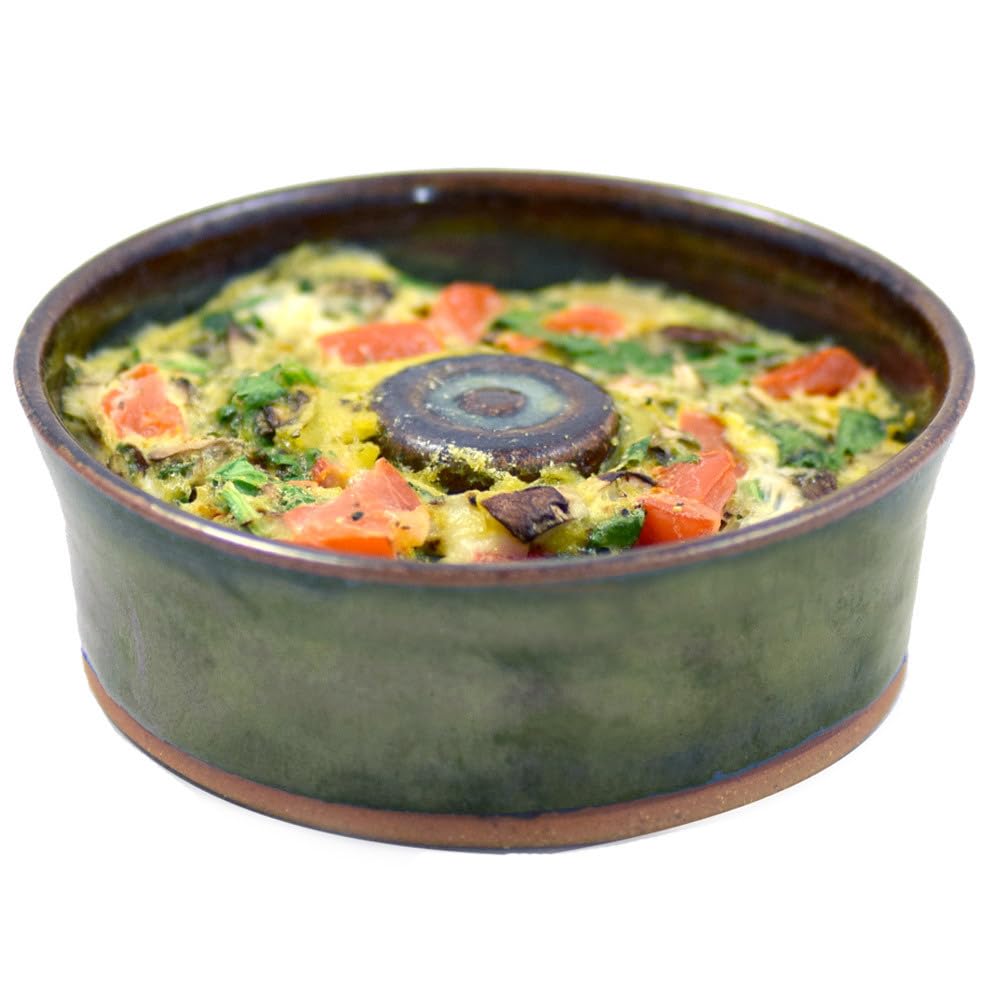
This handmade stoneware piece suits buyers who want a cooker that looks good enough to leave on the counter.
Pros
- Handmade in the USA with lead-free, cadmium-free glaze
- Center riser promotes even cooking
- Sized to match a bagel or English muffin
Cons
- Some units arrive cracked or chipped in shipping
- Smaller capacity than the name “double size” suggests to some buyers
- Costs more than mass-produced plastic cookers
The center riser is a genuinely useful design choice, helping the egg cook evenly instead of leaving a raw center and overdone edges. Reviewers appreciate the glaze finish and the fact that it feels like a kitchen piece rather than a gadget. Shipping damage shows up often enough in feedback that careful unboxing is worth the extra minute.
wdcfxy Egg Cooker

This all-purpose ceramic cooker works as well for soup and pancakes as it does for eggs.
Pros
- Arrives well-packaged with fewer shipping breaks reported
- Hollow handle stays cool for kids to handle safely
- Doubles for veggies, soup, and even pancakes
Cons
- Too large for cooking a single egg efficiently
- Can’t cook meat and vegetables in the same batch
- Requires oil or spray to avoid sticking
The dome chimney lid here does its job, letting steam vent gradually rather than building pressure. Reviewers use it well beyond eggs, including reheating soup and making a single pancake, which says something about its versatility. Getting the timing right takes some testing since microwave wattage changes the result meaningfully.
MKYSAIL Quick-Heat Egg Cooker
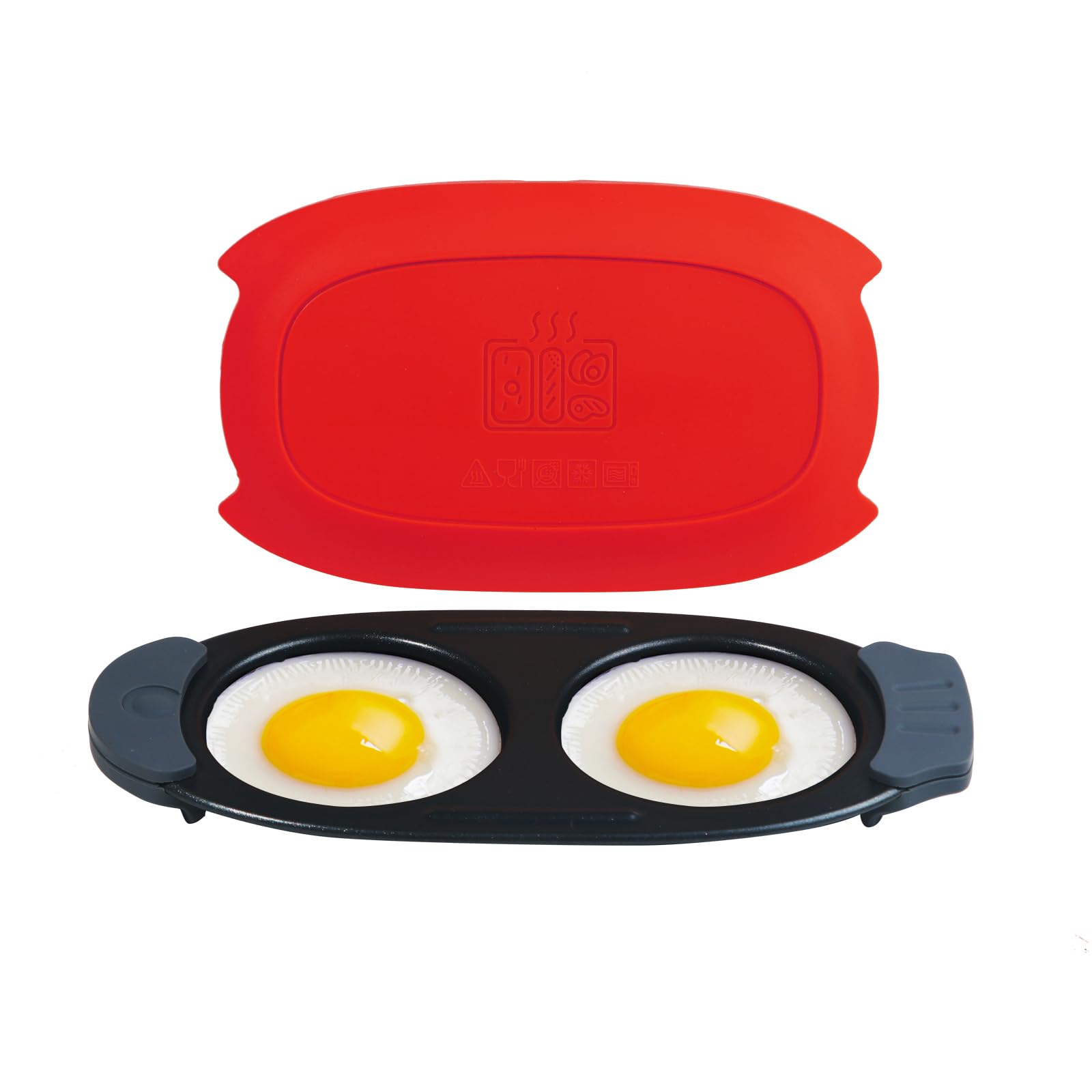
This dual-chamber cooker fits RV kitchens, dorm rooms, and anyone assembling a full breakfast sandwich in one shot.
Pros
- Two separate chambers for eggs and a side like bacon
- Detachable handle simplifies cleanup
- Metal tray with silicone-wrapped cover for durability
Cons
- Metal and silicone construction, not ceramic
- Requires careful timing to avoid rubbery eggs
- Heavier than typical plastic egg cookers
The dual-chamber setup is the standout feature, letting you cook eggs and a sausage patty at once instead of running the microwave twice. Reviewers who poach eggs in it recommend piercing the yolk and adjusting time in small increments until the texture is right. It runs heavier than plastic cookers, which actually helps it hold heat more evenly during cooking.
Buying Guide
Material: Ceramic, Stoneware, or Plastic
Ceramic and stoneware cookers hold and distribute heat more evenly than plastic, which reduces the rubbery, overcooked edges common with thin containers. Plastic cookers heat up faster and weigh less, making them better suited to travel and dorm use. Check listings carefully, since some products marketed as “ceramic” use a thin glaze over stoneware while others are closer to porcelain.
| Material | Heat Retention | Weight | Best For |
|---|---|---|---|
| Ceramic/Stoneware | High, even | Heavier | Home kitchens, daily use |
| Plastic | Lower, faster heating | Lightweight | Travel, dorms, quick cleanup |
| Metal/Silicone hybrid | Moderate | Medium | Multi-food cooking |
Capacity and Egg Count
Capacity claims listed in ounces don’t always translate directly to egg count, since yolk size and added ingredients change how full a cooker gets. A cooker rated for 12 ounces comfortably fits two eggs with a splash of milk, but pushing to three eggs risks overflow through the vent. Buyers cooking for a household should look for cookers explicitly rated for three or four eggs rather than estimating from ounce capacity alone.
Venting and Steam Management
A vented, domed lid is the single most reliable feature for preventing eggs from erupting out of the container mid-cook. Sealed lids without a vent trap steam pressure, which can pop the lid off or force egg through gaps. Chimney-style lids let steam escape gradually and tend to produce a more consistent texture.
Handling and Heat Safety
Hollow or silicone-wrapped handles that stay cool matter more than they sound, since pulling a hot ceramic bowl out of the microwave with bare hands is a fast way to get burned. Look for a handle design that’s separate from the cooking chamber itself rather than a thin lip molded into the same material. Removable silicone sleeves add grip but can trap heat against the ceramic if left on too long.
Cleanup and Maintenance
Nonstick coatings and smooth glazes make a noticeable difference in how much scrubbing a cooker needs after scrambled eggs. Dishwasher-safe models save time daily, but hand-wash-only stoneware needs a soak shortly after use to prevent egg from bonding to the surface. A light coat of oil or cooking spray before each use extends the life of any nonstick surface and cuts cleanup time significantly.
Editor’s Choice
The OXO Good Grips Microwave Egg Cooker earns the top recommendation for most kitchens because it solves the exact problem busy cooks care about most: getting a fried or scrambled egg onto bread in under a minute with minimal cleanup. Its removable base and stay-cool handles are practical touches that show up in daily use, not just on a spec sheet.
For anyone set on true ceramic construction, the Pampered Chef Ceramic Egg Cooker is the stronger pick, offering more volume and better heat retention at the cost of a slightly loose-fitting lid. Households cooking multiple eggs at once should look at the ReneeChef 4-Egg Ceramic Cooker, while RV travelers and dorm cooks will get more mileage from the compact, dual-purpose MKYSAIL cooker.
Conclusion
Choosing among these ten cookers comes down to matching material and capacity to how you actually cook eggs on a weekday morning. Ceramic and stoneware options like the Pampered Chef and Modern Artisans cookers reward buyers who value even heating and don’t mind hand-washing or a bit more weight. Plastic cookers like the Sistema and Chef Buddy trade some heat performance for lighter weight and dishwasher convenience, which suits travel and small kitchens.
Vented, chimney-style lids consistently outperform sealed designs when it comes to avoiding a mid-cook mess, a detail worth prioritizing over capacity claims printed on the box. Testing your own microwave’s timing in 15-second increments the first few uses will save more frustration than any single feature comparison. Once that timing is dialed in, any of these cookers turns a rushed morning into a five-minute breakfast.
FAQS
Are ceramic microwave egg cookers actually better than plastic ones? Ceramic and stoneware distribute heat more evenly, which reduces the chance of rubbery edges with a raw center. Plastic cookers heat faster and weigh less, which matters more for travel or dorm use than for daily home cooking.
Why did my egg explode or overflow in the microwave? This usually happens with sealed lids that trap steam pressure, or when a cooker is overfilled beyond its rated capacity. A vented, chimney-style lid and piercing the yolk before cooking both reduce this risk.
How long should I microwave eggs in one of these cookers? Most cookers list a range between 30 seconds and 90 seconds for one or two eggs, but actual time depends on your microwave’s wattage. Start on the low end of the listed range and add time in 10 to 15 second increments until you learn your machine.
Can I use these cookers for anything besides eggs? Several ceramic and stoneware models double as single-serve soup bowls, vegetable steamers, or mug cake makers. Check the lid material first, since some vents are sized specifically for egg cooking and may not suit thicker foods.
Do I need to oil the cooker before adding eggs? A light coat of oil or nonstick spray is recommended for nearly every cooker on this list, including ones marketed as nonstick. Skipping this step is the most common reason buyers report sticking and difficult cleanup.
1 thought on “10 Best Ceramic Microwave Egg Cookers for 2026”