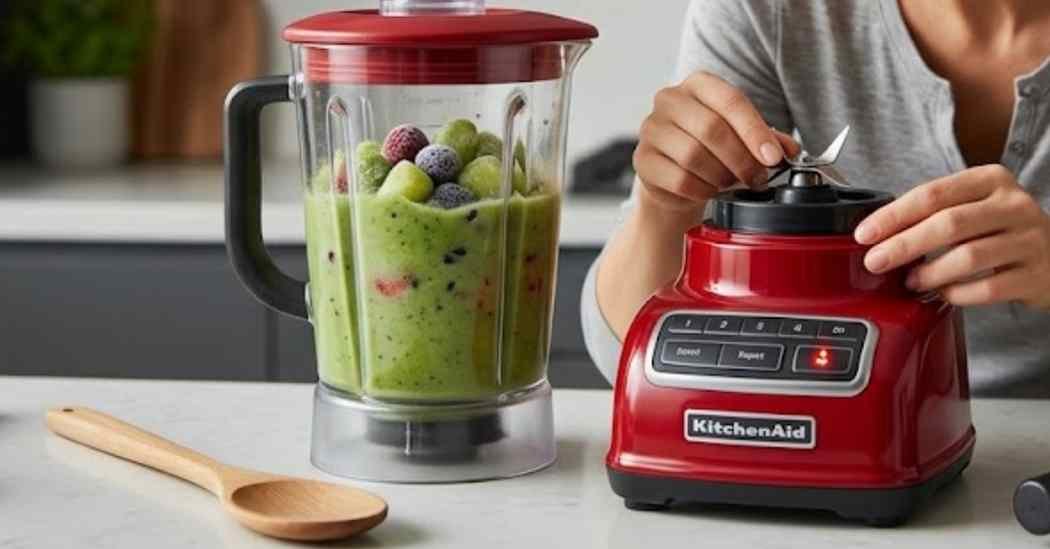
Last week, I tried to make my morning smoothie before work. I pressed the power button, but absolutely nothing happened. Finding your KitchenAid blender not working when you need it is frustrating. I share my own troubleshooting steps below to save you time.
I spent a few hours testing my machine to find the issue. Now, I want to help you fix yours without any stress. Sometimes the fix is just buying a simple new part. You might need a replacement drive coupling or fresh replacement blades.
I actually keep spare gaskets and seals in my kitchen drawer. They save me from buying a whole new machine when leaks happen. Replacing small parts is much cheaper than replacing the entire motor. Let us figure out exactly what is wrong with your machine.
Common Signs of the Problem
Your blender might show a few different symptoms before it quits. Sometimes, the lights turn on, but the motor stays totally dead. Other times, the machine stops right in the middle of blending. These symptoms help us figure out what went wrong.
You might also smell something burning near the motor base. A flashing light on the control panel is another big clue. It usually means the safety switch is actively blocking the motor. This is actually a good thing that prevents permanent damage.
If you hear a humming sound but the blades stand still, listen closely. This means the motor is getting power but something is stuck. Recognizing these simple signs early helps you diagnose the problem faster.
Possible Causes
Many different things can stop your blender from spinning properly. Most of these issues are quick and easy to solve at home. Here are the most likely reasons your appliance has stopped running:
- A dead wall outlet or a loose power cord connection.
- The thermal overload protection tripped to stop severe overheating.
- The jar assembly is not locked safely onto the base.
- A broken drive coupling is stopping the blade from turning.
- The blender blades are stuck on thick, frozen fruit or ice.
Understanding these simple causes takes the mystery out of the repair. You can rule them out one by one. I will show you exactly how to do that safely below.
How to Fix the KitchenAid Blender Not Working Issue
Let us walk through the exact steps I used to fix my machine. Do not worry if you are not very handy with tools. These steps are simple, practical, and totally safe to try at home.
Check the Power Source
First, check your wall outlet and power cord thoroughly. Make sure the cord is pushed all the way into the wall. Plug a small lamp into the outlet to see if it works. This simple test proves if the wall outlet actually has power.
Sometimes, a blown fuse in your kitchen is the real culprit. Checking the power supply takes just five seconds of your time. It is always the easiest problem to rule out first. Start here before taking anything apart on your blender.
Reset the Overload Protection
KitchenAid blenders have a smart safety feature built right inside. If the motor gets too hot, it shuts down to prevent fires. This helpful feature is known as thermal overload protection. It keeps your expensive appliance safe from serious internal damage.
Unplug your blender from the wall and let it rest for 45 minutes. I once pushed mine too hard while making thick almond butter. After cooling down, it turned back on and worked perfectly. Patience often solves the common overheating problem.
Inspect the Jar Assembly
The blender will not start if the jar is placed on the base wrong. Take the blender jar off the base completely. Put it back on slowly and listen for a solid click. This ensures the jar assembly is locked and ready.
The safety switch needs the jar to sit perfectly flat to work. If the jar is tilted, the control panel might flash warning lights. Always double-check your lid locking system before pressing the power button. The machine needs everything aligned to run safely.
Examine the Drive Coupling
The drive coupling connects the powerful motor to the blender blades. It is a small rubber or plastic gear sitting on the base. Take off the jar and look closely at this black gear. You will see it right in the center of the machine.
If the teeth are worn down, the motor will spin freely. However, the blender blades will not turn at all. Replacing a broken drive coupling is cheap and very easy to do. You can replace it using a simple flathead screwdriver.
Be sure to keep the motor base free of sticky spills. I always clean the base gently with a soft cloth. Using food-safe degreasers keeps the motor area running smoothly. Proper maintenance makes the rubber parts last much longer.
Free the Jammed Blades
Sometimes sticky food gets trapped under the blade assembly. Thick frozen fruit or solid ice can jam the spinning parts. Always unplug the machine before you reach near the sharp blades. Safety must always come first when handling kitchen tools.
Use a long wooden spoon to move food away from the center. Add more water or milk to help the blades spin freely. Never use your bare fingers to clear a stubborn food jam. Cleaning brushes are great for getting under the blades safely.
Test the Control Panel Buttons
Sometimes the buttons get sticky from old spilled smoothies. If a button gets stuck, the blender might not turn on. Unplug the blender and gently wipe the control panel. A non-abrasive sponge helps wipe away sticky residue safely.
Press each button a few times to make sure it clicks naturally. If a switch is internally broken, the machine will stay dead. You might need a new control board if the buttons fail. Always dry the parts with a soft cloth afterward.
Mistakes to Avoid
Do not force the buttons repeatedly if the machine jams up. This mistake will burn out the motor very quickly. Always stop the machine and add more liquid to the jar instead. Giving the motor a break is always the safest choice.
Never open the sealed motor base yourself to look at the wiring. This is a huge safety risk and instantly ruins your factory warranty. You should always stick to simple, safe external appliance repairs. Leave the complex internal wiring to the professionals.
Also, avoid running the blender when it is completely empty. The blades spin way too fast when there is no food resistance. This bad habit can damage the drive coupling and seals over time. Always have some liquid or food inside before blending.
When to Replace the Blender
Some severe problems simply cost too much money to fix. If smoke pours out of the base, the motor is likely ruined. A burned-out electrical motor means it is time for a new unit. Replacing the motor alone is almost never worth the trouble.
If your machine is very old, replacement parts might be hard to find. Weigh the total cost of parts against buying a brand-new blender. Sometimes starting fresh with a new warranty is the smarter choice. A new machine might save you future headaches.
My Personal Experience
My blender suddenly stopped working while I was making frozen fruit sorbet. I completely panicked and thought I broke my expensive machine forever. The control panel lit up fine, but the sharp blades did not move. I could hear a faint humming sound coming from the base.
I carefully took the jar off and found thick ice stuck underneath. The overload protection had tripped just in time to save the motor. I felt a bit silly, but I learned a really great lesson. I realized I was forcing the machine to work too hard.
I unplugged the cord, let the machine cool, and used a tamper tool next time. Now, I always add my liquid ingredients first to prevent bad jams. Testing the machine myself saved me a very costly repair bill. I hope my experience helps you save money too.
Final Thoughts
Fixing a dead blender is usually a very simple and quick process. Start with the easiest checks like the power cord and the wall outlet. Give the heavy motor plenty of time to cool down if it feels warm. Most issues do not require any special technical skills.
If you find a broken external part, replacing it is often very affordable. Just take your time and follow the basic safety rules I shared. Keep your machine clean and free of sticky food residue. You will be blending your favorite delicious drinks again in no time.
| Symptom | Likely Cause | Quick Fix |
| Lights on, no spinning | Jammed blades | Unplug, clear food block |
| Flashing lights | Jar not locked in | Remove jar, set it flat |
| Dead, no lights | Power cord issue | Try a different outlet |
| Problem | Recommended Solution | Difficulty Level |
| Overheated motor | Unplug and rest 45 minutes | Very Easy |
| Broken drive coupling | Replace with new coupling | Moderate |
| Leaking jar base | Replace gaskets and seals | Easy |
| Repair Issue | Estimated Cost | Replace Instead? |
| Blown motor | $150+ | Yes |
| Damaged drive gear | $10 – $20 | No |
| Cracked jar | $40 – $60 | No |