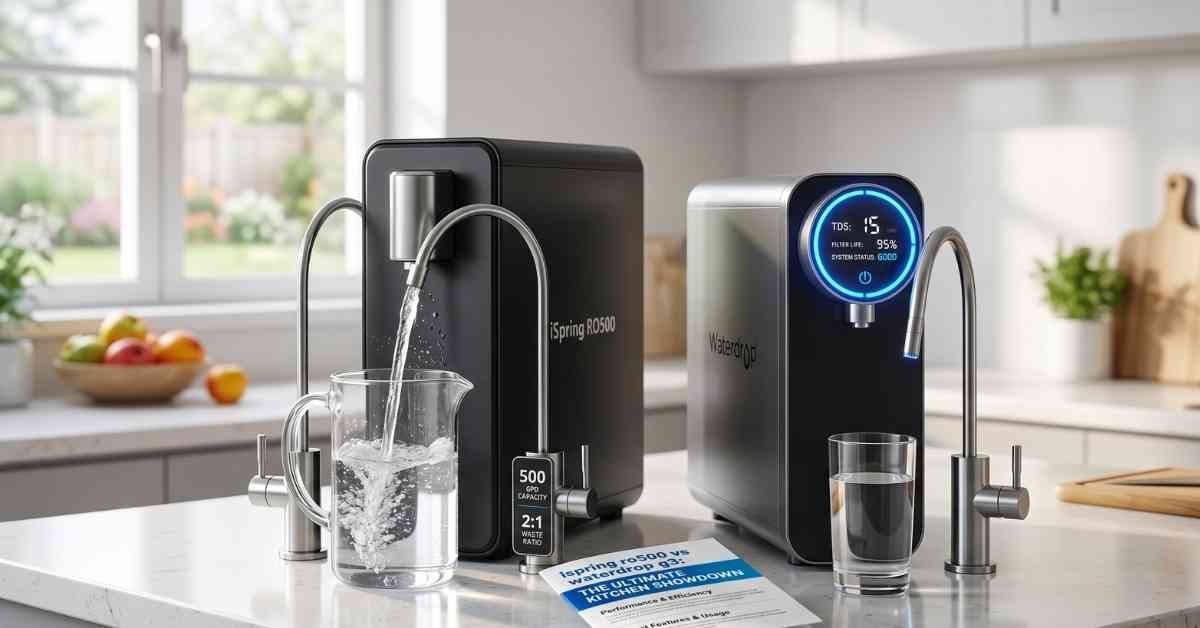
A hot Tuesday afternoon pushed me over the edge. The tap water tasted like a dirty pool. Buying bottled water felt like a total waste of money. I needed a real fix for my kitchen. That is when I began to compare the ispring ro500 vs waterdrop g3. Both systems looked great, but I had to pick one.
iSpring RO500 Review
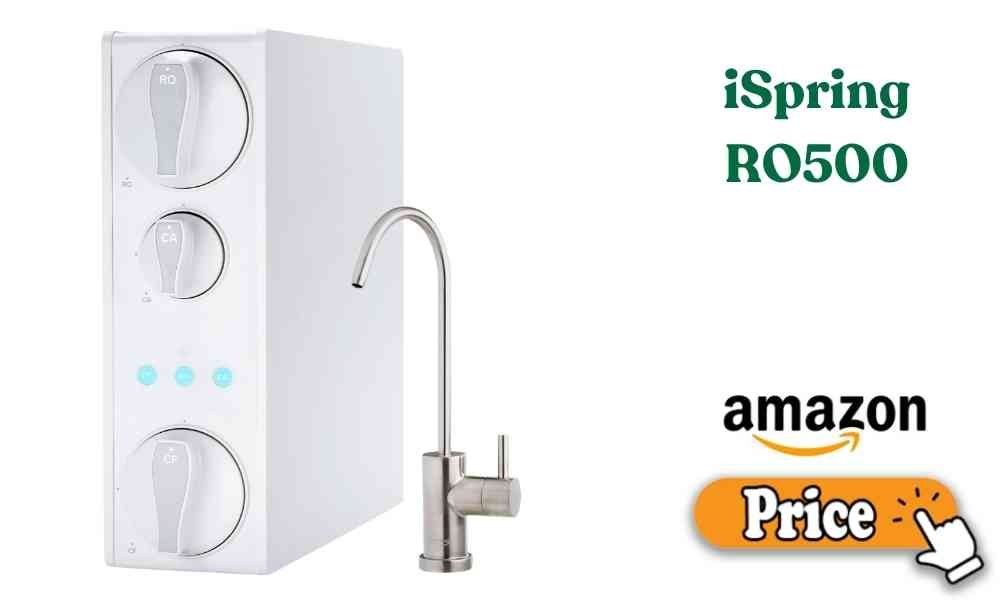
The iSpring RO500 caught my eye right away. It promised pure speed and great taste. It pumps out 500 gallons of filtered water every single day. The sleek box slides right under the sink without a fuss.
Pros and Cons
Here is a quick look at the good and the bad for the iSpring.
| Pros | Cons |
| Super fast water flow (0.4 GPM) | Faucet lacks a smart display |
| Saves water with 2:1 ratio | Filters are slightly bulky |
| Removes up to 99% of bad stuff | Initial cost is a bit high |
| Built-in auto flush mode | Takes a bit longer to install |
Daily Life With The Filter
Using this system for a few months felt like pure magic. Filling a big pasta pot used to take forever. Now, the water blasts out super fast. It saves me so much precious time during busy weeknights.
Sometimes, the unit makes a soft hum. I got used to the sound very fast. Changing the thick filters was quite simple. The crisp and clean water makes it totally worth it.
Recommendation
This system is perfect for huge families who need fast water. It is not good for tech fans who want a smart screen on their sink.
Waterdrop G3 Review
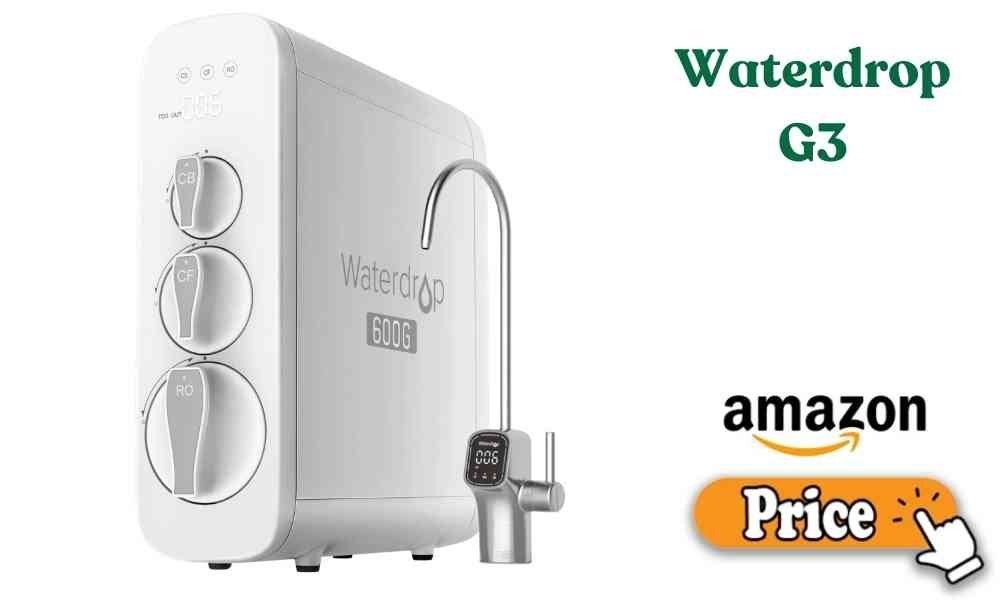
The Waterdrop G3 feels like a futuristic kitchen gadget. It gives you a solid 400 gallons of water per day. It uses an eight-stage deep filter setup to clean the water. The glowing smart faucet really sets this one apart from the pack.
Pros and Cons
Check out what makes the Waterdrop shine and where it falls short.
| Pros | Cons |
| Smart faucet shows water quality | Only 400 GPD flow rate |
| Filter changes take three seconds | Uses a 1:1 waste ratio |
| Very compact and pretty design | Needs an outlet close by |
| NSF certified for extra safety | Replacement filters cost more |
Living With The Smart Filter
After a couple of months, I became a total data nerd. Looking at the glowing smart faucet ring is highly addictive. It turns red when the filter dies. This takes all the hard guesswork out of filter swaps.
The flow rate is a tiny bit slower than I hoped. Filling up a giant pitcher takes a few extra seconds. But swapping the filter takes three seconds flat. You need zero tools and get zero messy leaks.
Recommendation
This unit is perfect for tech lovers who want easy filter swaps. It is not good for giant families who demand the fastest water flow possible.
Detail Comparison for ispring ro500 vs waterdrop g3
Picking between these two filters comes down to small details. Both tankless systems clean your tap water very well. Let us break down the biggest features. This will help you pick the true winner.
Water Production Rate (GPD): ispring ro500 vs waterdrop g3
Speed really matters when you are very thirsty. The iSpring creates 500 gallons a day. The Waterdrop gives you a solid 400 gallons. Both are much faster than a standard tank filter.
| Feature | iSpring RO500 | Waterdrop G3 |
| Daily Capacity | 500 Gallons | 400 Gallons |
| Flow Rate | 0.40 GPM | 0.28 GPM |
| Fill Time (8oz) | ~7 Seconds | ~12 Seconds |
iSpring Rating: 9/10
Waterdrop Rating: 7/10
Filtration Stages & Quality: ispring ro500 vs waterdrop g3
Clean water is the whole point of this gear. iSpring uses a solid three-stage setup. Waterdrop uses an eight-stage deep cleaning process. Both units safely remove bad stuff like lead and chlorine.
| Feature | iSpring RO500 | Waterdrop G3 |
| Total Stages | 3 Stages | 8 Stages |
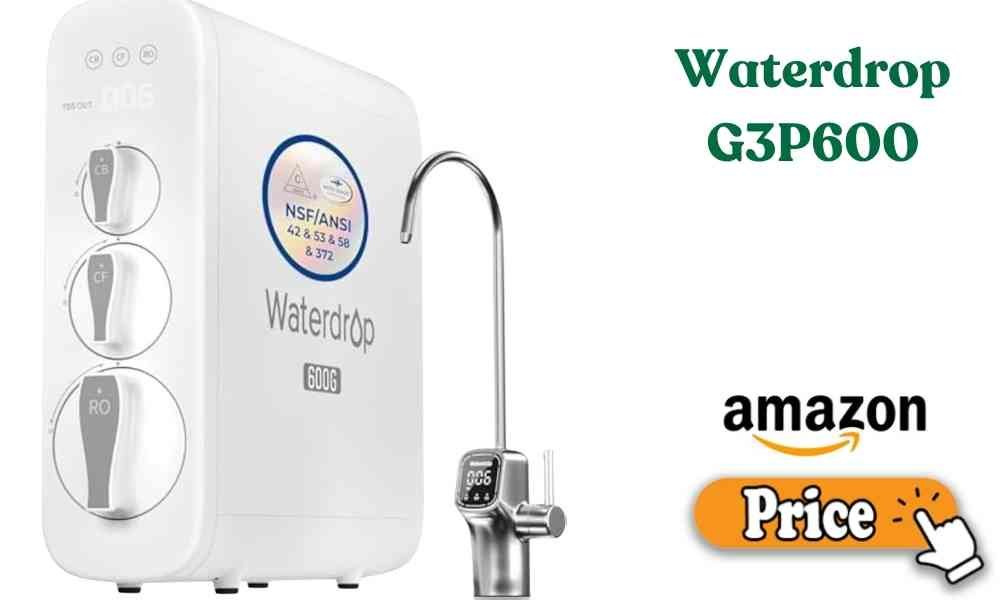
| Certifications | NSF 58 Tested | NSF 58 & 372 |
| TDS Reduction | Up to 99% | Up to 91.9% |
iSpring Rating: 8/10
Waterdrop Rating: 9/10
Waste Water Ratio (Efficiency): ispring ro500 vs waterdrop g3
Nobody wants to waste water down the drain. The iSpring is highly efficient here. It makes two parts pure water for every one part waste. Waterdrop uses a standard one-to-one drain ratio.
| Feature | iSpring RO500 | Waterdrop G3 |
| Pure to Waste Ratio | 2:1 | 1:1 |
| Eco-Friendly Factor | Very High | Good |
| Water Bill Impact | Very Low | Moderate |
iSpring Rating: 9/10
Waterdrop Rating: 6/10
Installation Process: ispring ro500 vs waterdrop g3
I hate dealing with messy pipes under the sink. Both systems ditch the giant bulky tank. This makes fitting them much easier. Waterdrop makes the setup process slightly faster for fresh beginners.
| Feature | iSpring RO500 | Waterdrop G3 |
| Setup Time | ~45 Minutes | ~30 Minutes |
| Tool Requirement | Basic Tools | Almost Tool-Free |
| Hose Connections | Standard Push | Color-Coded |
iSpring Rating: 7/10
Waterdrop Rating: 9/10
Taste & Odor Improvement: ispring ro500 vs waterdrop g3
Taste is the true test for any kitchen filter. The iSpring uses a sweet carbon block. The Waterdrop uses a supreme coconut shell filter. Both make your water taste like a crisp mountain stream.
| Feature | iSpring RO500 | Waterdrop G3 |
| Flavor Profile | Sweet & Smooth | Crisp & Fresh |
| Odor Removal | Excellent | Excellent |
| Chlorine Taste | Gone Completely | Gone Completely |
iSpring Rating: 9/10
Waterdrop Rating: 9/10
Conclusion
Choosing between the ISpring RO500 Vs Waterdrop G3 boils down to your daily habits. If you crave blazing speed and low water waste, buy the iSpring. If you love smart gadgets and fast filter swaps, the Waterdrop wins. Both choices will make your kitchen a much happier place.