
Turbo beaters are mixer attachments made to mix food fast and with less effort. You may see them on hand mixers or in a set of kitchen tools. They help blend, beat, and mix many foods with ease.
When I first looked into turbo beaters, I wanted to know how they differed from normal beaters. I also wanted to learn which foods they could handle and when another tool would work better.
This guide explains what turbo beaters are, how they work, and how to use them well. You will also learn how to care for them and avoid common mistakes.
Common Signs of Turbo Beaters in Use
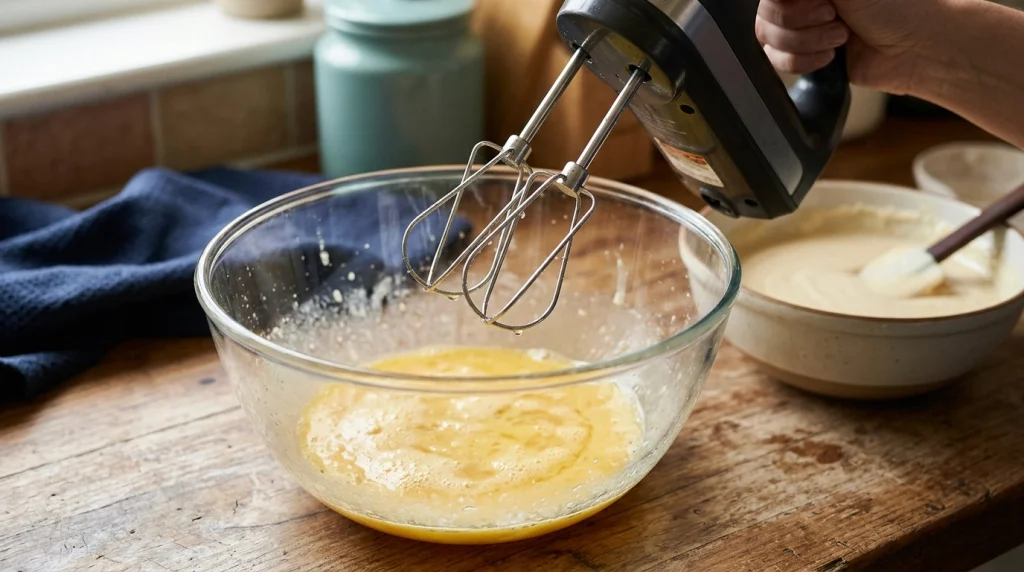
Turbo beaters often look like two metal beaters with a special shape. Their design can vary by brand and mixer model. The shape may help move food through the beaters as they spin.
Here are some signs that you may have turbo beaters:
- A special beater shape: The metal loops may look different from standard beaters.
- Fast mixing: They can help mix many soft foods in a short time.
- Less effort by hand: The motor does the work as the beaters spin.
- A smooth mixture: They can help blend eggs, cake batter, and other light mixes.
Not all turbo beaters work the same way. The name is often used for a maker’s own design, so check the mixer manual to confirm what your attachments can do.
Possible Causes of Confusion About Turbo Beaters
It is easy to mix up turbo beaters with other mixer tools. Their names and shapes can be similar, but each tool has a different job.
Common reasons for confusion include:
- Similar names: Some brands use the word turbo for a special beater design.
- Different shapes: Standard beaters, turbo beaters, and whisks may look alike at first.
- Different mixer models: An attachment that fits one mixer may not fit another.
- Unclear product details: A listing may not explain which foods the beaters suit.
A turbo beater is not an egg cooker part. It is usually an attachment for a hand mixer. If you are looking at an egg cooker, its egg tray, lid, and measuring cup serve very different purposes.
How to Use Turbo Beaters
The best way to use turbo beaters is to match them to the food and follow the mixer maker’s instructions. Here are simple steps to help you get started.
1. Check the Mixer and Attachments
Before mixing, check that the beaters fit your mixer model. Look for the correct shape, size, and fitting at the top of each beater.
Do not force an attachment into place. If it does not lock in as the manual shows, stop and check the model details.
2. Choose the Right Food
Turbo beaters may work well for eggs, cake batter, soft spreads, and light mixtures. Their exact use depends on the design and the mixer’s power.
For egg whites, a whisk may be a better choice if you need lots of air in the mixture. For thick bread dough, use a dough hook if your mixer supports one.
3. Start at a Low Speed
Place the beaters in the bowl before switching on the mixer. Start slowly to reduce splashes, then raise the speed as needed.
Keep the beaters below the surface of the mixture. Move the mixer around the bowl at a steady pace for an even result.
4. Use the Right Mixing Time
Mix only until the food reaches the texture you want. Too much mixing can make some batters tough or cause cream to become too thick.
If the mixture looks uneven, stop the mixer first. Use a spatula to scrape the bowl, then mix again briefly.
5. Remove and Store the Beaters Safely
Turn off and unplug the mixer before removing the attachments. Wait until the beaters stop spinning before you touch them.
Check the manual to see whether the beaters are safe for a dishwasher. If not, wash them by hand and dry them well before storage.
At this stage, it may help to replace a beater that is bent, cracked, or badly worn. Buy replacement beaters only when they match your exact mixer model. A new set will not solve a problem caused by a damaged mixer motor.
Turbo Beaters vs. Other Mixer Attachments
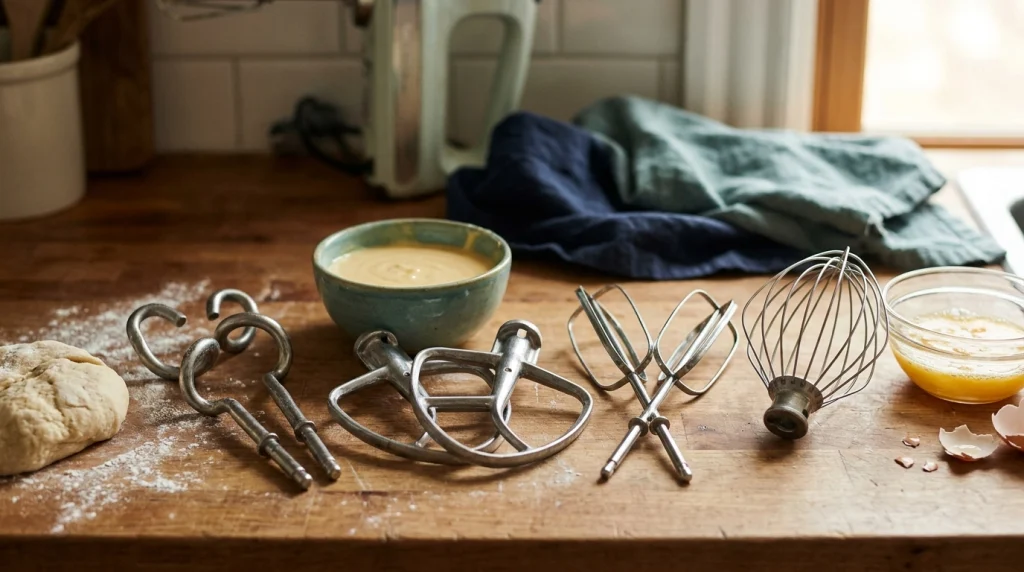
The main difference is the job each attachment does. Use this table as a simple guide, but always check the instructions for your model.
| Attachment | Best Use | Main Benefit |
|---|---|---|
| Turbo beaters | General mixing and beating | Fast, easy mixing |
| Standard beaters | Cake batter and everyday mixes | Versatile use |
| Balloon whisk | Whipping cream and egg whites | Adds more air |
| Dough hooks | Suitable bread and dough mixes | Helps work thick dough |
A turbo beater may be a good choice for everyday mixing. However, the word “turbo” alone does not prove that an attachment is faster or better than every standard beater.
Mistakes to Avoid
Even a useful mixer attachment can cause trouble if you use it the wrong way. A few simple habits can help protect both the mixer and your food.
- Do not use the wrong attachment: Check the manual before mixing thick or heavy foods.
- Do not start at full speed: This can splash food out of the bowl.
- Do not touch moving beaters: Always switch off and unplug the mixer first.
- Do not force stuck beaters out: Check the release button and follow the manual.
- Do not ignore damage: Stop using beaters with loose parts, sharp damage, or severe bends.
Good cleaning habits also help keep the attachments in good shape. Wash off food soon after use, as dried batter can be harder to remove.
Use a soft sponge and mild dish soap if handwashing is allowed. Avoid harsh tools that could scratch the surface or damage a special coating.
When to Replace Turbo Beaters
Turbo beaters can often last for years with proper care. Still, there are times when replacing them is the safer option.
| Problem | Recommended Solution | Replace Instead? |
|---|---|---|
| Bent metal loops | Stop and inspect the attachment | Yes, if bent or unsafe |
| Rust or peeling coating | Stop using the affected beater | Usually yes |
| Beater will not lock in | Check model compatibility and fitting | If damaged |
| Food remains stuck on | Soak if the manual allows, then wash | Not usually |
| Mixer makes a burning smell | Unplug and stop using the mixer | Seek service first |
A damaged attachment is often cheaper to replace than the whole mixer. However, if the motor smells burnt, sparks, or makes an unusual grinding sound, do not assume new beaters will fix it.
Never open a sealed motor unit or try to change its wiring. Contact the maker or a qualified repair service if the mixer has an electrical fault.
My Personal Experience
When comparing mixer attachments, I found it most useful to focus on their shape and intended job rather than the name alone. A special beater design can look impressive, but that does not tell you how well it will handle every recipe.
I would start by checking the manual and choosing a simple task, such as beating eggs or mixing a light batter. I would then start on a low speed and watch how evenly the food moves around the bowl.
I would also stop the mixer before scraping the sides. This simple step helps prevent splashes and makes it easier to see whether the mixture needs more mixing.
One lesson is worth keeping in mind: turbo beaters are not a cure for every mixing problem. If a batter stays lumpy, the cause may be the recipe, the mixing order, or the speed. If the motor struggles, the mixture may be too thick for that mixer.
These are practical checks, not a claim that I tested every brand or model. Your results will depend on the attachment design and the mixer you own.
Final Thoughts
Turbo beaters are mixer attachments designed for quick, everyday mixing. They may be useful for eggs, light batters, and other soft mixtures, depending on the model.
To get the best results, check that the beaters fit your mixer, start at a low speed, and use the right tool for the food. Clean them after use and replace them if they become unsafe.
Most importantly, do not judge an attachment by its name alone. The shape, mixer compatibility, and maker’s instructions will tell you much more about what it can do.