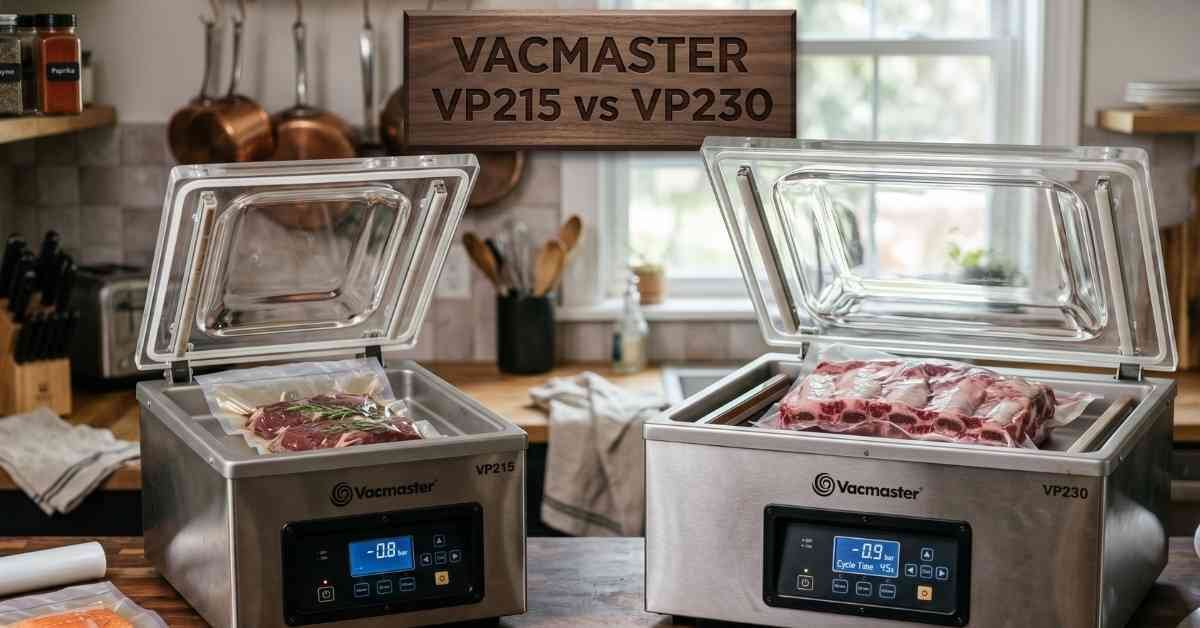
It was a cold Tuesday night. I stood in my kitchen staring at a giant pile of fresh beef and a leaky bag of stew. My old cheap sealer had just died with a sad squeal. I needed a real upgrade to handle liquids without a mess.
That is exactly what led me to the big debate of VacMaster VP210 Vs VP215. I spent weeks testing these strong chamber sealers side by side. They both pack a punch, but they fit very different kitchens. Let me share what I learned.
VacMaster VP210 Review
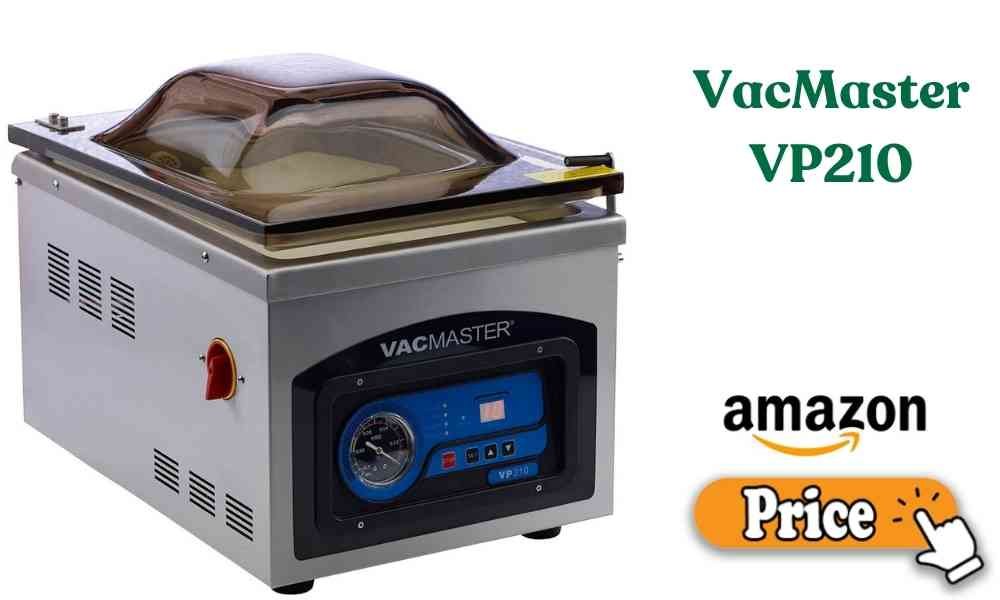
I unpacked this heavy machine and set it on my counter. It took up some space, but it looked incredibly solid. This model uses a dry piston pump. That means you can plug it in and start sealing right away.
Pros and Cons
Before making a choice, you should know the good and the bad. Here is what I noticed during my tests.
| Pros | Cons |
| Zero pump upkeep needed | Slower cycle times |
| Easy to move around | Can get warm on huge jobs |
| Great for sealing wet soups | Slightly louder running noise |
Living with the Dry Pump
After using this machine for a couple of months, I really grew to love it. The best part is the total lack of upkeep. You never have to worry about messy oil changes. I sealed massive batches of chili without spilling a drop. The strong suction easily handles wet foods.
However, I did notice the speed limits. When I tried to seal forty bags of jerky in a row, the pump got warm. I had to let it rest for a bit. It is perfect for normal daily use. It might not be the best choice for a busy hunting camp.
Recommendation
This sealer is perfect for the serious home cook who hates chores. If you want an easy machine to seal dinner lefts and wet foods, get this. It is not good for pro kitchens or folks who need to run back-to-back bags all day long.
VacMaster VP215 Review
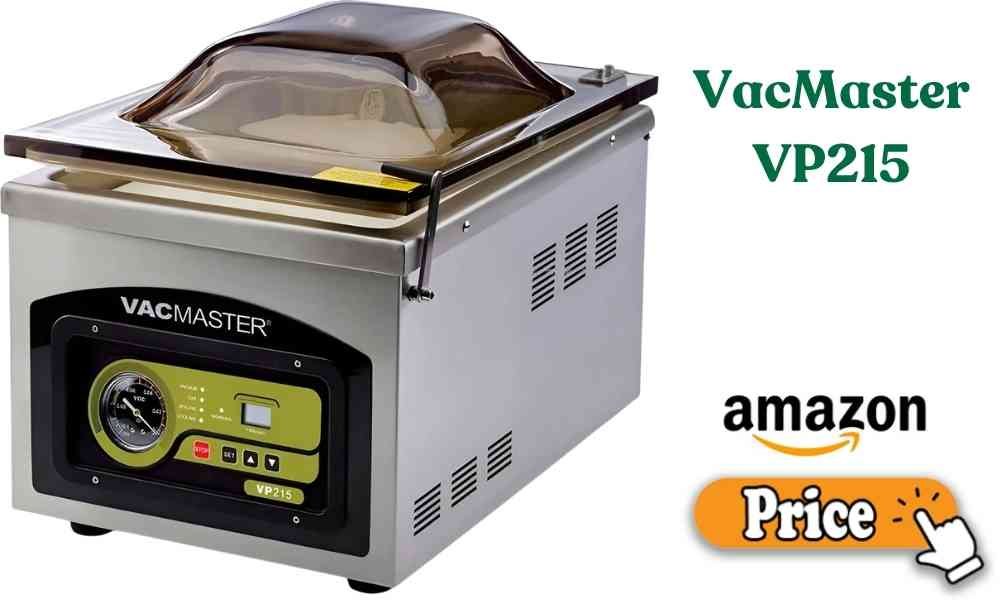
Next up was the heavy hitter. Taking this out of the box was a hard workout. It uses an oil pump, which gives you a big boost in power. The clear lid feels thick and solid. I knew right away this beast meant real business.
Pros and Cons
This model brings pro power right into your home. Let us look at the highs and lows.
| Pros | Cons |
| Very fast cycle times | Very heavy to lift |
| Runs non-stop without rest | Needs regular oil changes |
| Whisper-quiet running sound | Higher cost to buy |
The Power of Oil After Months of Use
Using this sealer for a couple of months totally changed my meal prep. The oil pump pulls a deep vacuum very fast. It is shockingly quiet when running. I ran fifty bags of pulled pork back-to-back. It never even got warm. It felt like having a pro tool right in my home.
The only catch is the upkeep. You have to drain and fill the oil after a set time. The first time I did it, I spilled a little oil. It was annoying, but I learned fast. The huge speed boost is well worth this extra step.
Recommendation
This machine is perfect for small shops, active hunters, and anyone who buys food in massive bulk. If speed and non-stop power matter to you, this is the winner. It is not good for casual cooks who only seal one bag a week. The heavy weight and oil chores will just annoy you.
Detail Comparison for VacMaster VP210 Vs VP215
Let us break down how these two machines compare head-to-head. They share the same chamber size, but the parts inside are very different. Here is my honest breakdown.
Vacuum Pump Power & Type: VacMaster VP210 Vs VP215
The dry piston on the 210 needs no prep to run. The rotary oil pump on the 215 needs oil but runs much cooler. The oil pump pulls a tighter vacuum faster.
| Feature | VP210 | VP215 |
| Pump Type | Dry Piston | Rotary Oil |
| Non-Stop Run | Fair | Excellent |
Rating: VP210: 8/10 | VP215: 10/10
Liquid & Marinade Sealing Performance: VacMaster VP210 Vs VP215
Both of these chamber sealers are amazing with wet foods. You can seal a bag of pure water without any mess. The magic happens inside a sealed space, keeping fluids safely inside the pouch.
| Feature | VP210 | VP215 |
| Soup Sealing | Great | Great |
| Mess-Free | Yes | Yes |
Rating: VP210: 9/10 | VP215: 10/10
Cycle Time & Vacuum Speed: VacMaster VP210 Vs VP215
Time is money in a busy kitchen. The 210 takes a bit longer to suck the air out. The 215 flies through bags in twenty seconds flat.
| Feature | VP210 | VP215 |
| Vacuum Speed | Slower (30+ sec) | Fast (20-25 sec) |
| Back-to-Back | Needs rest | Unstoppable |
Rating: VP210: 7/10 | VP215: 10/10
Maintenance Requirements: VacMaster VP210 Vs VP215
Here is where the tables turn safely. You do zero work on the 210 to keep it running. You must change the oil on the 215 to keep the parts safe.
| Feature | VP210 | VP215 |
| Upkeep | None | Oil changes needed |
| Hassle Level | Very Low | Medium |
Rating: VP210: 10/10 | VP215: 6/10
Build Quality & Lid Durability: VacMaster VP210 Vs VP215
Both units use heavy steel bodies. They share the exact same thick, clear plastic dome lid. They both feel like strong tanks that will last for years.
| Feature | VP210 | VP215 |
| Body Material | Strong Steel | Strong Steel |
| Chamber Lid | Thick clear dome | Thick clear dome |
Rating: VP210: 9/10 | VP215: 9/10
Conclusion
Choosing between these two comes down to your cooking volume. If you hate extra chores, grab the dry pump model. If you process deer or seal huge batches daily, the oil pump is king. This VacMaster VP210 Vs VP215 battle taught me that both machines are huge upgrades. Pick the one that fits your real life.
