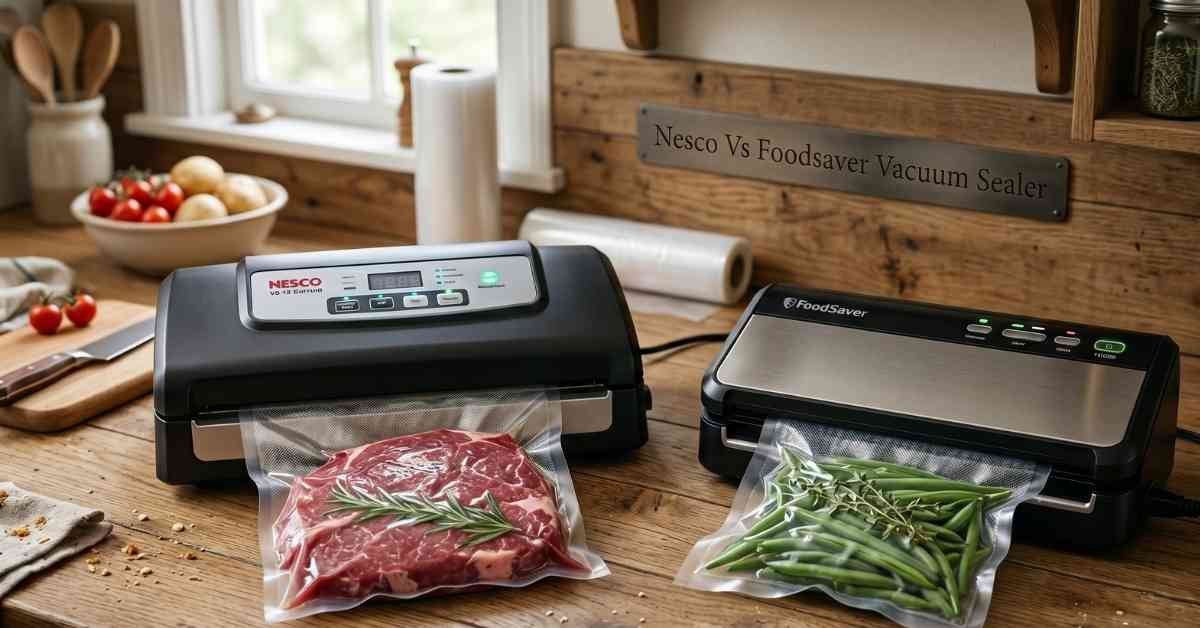
Finding the right vacuum sealer felt like a chore until I put these two giants to the test. After weeks of bulk buying meat and prepping garden veggies in my Florida workshop, I’ve learned exactly how they handle real-life messes. Here is my take on the Nesco Vs Foodsaver Vacuum Sealer debate to help you save money and keep food fresh.
Nesco Review
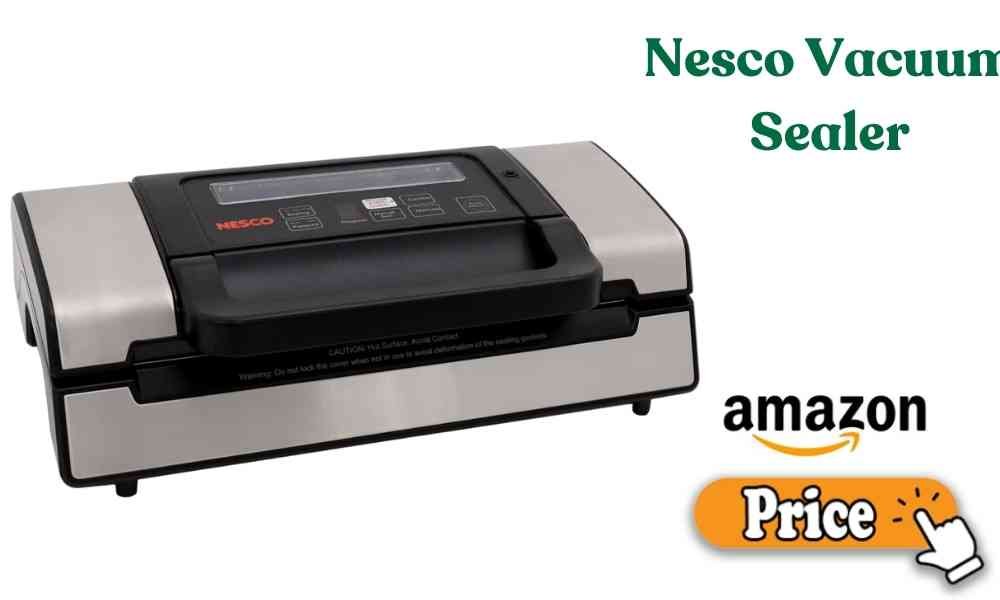
Nesco has quickly become my top choice for heavy lifting. It feels like a tool built for people who actually spend time in the kitchen. The design is a bit bulky, but it makes up for it with sheer power and smart features that make sense.
Pros and Cons
Before we dive into the details, here is a quick look at what makes this brand stand out and where it falls short.
| Pros | Cons |
| Incredible suction power for tight seals | Takes up more counter space |
| Built-in bag storage and cutter | Slower sealing time than rivals |
| Double seal option for extra safety | No removable drip tray for easy cleaning |
Months of Heavy Use
After using the Nesco VS-12 Deluxe for several months, I am impressed by how it handles large batches. I remember a long Sunday where I sealed twenty pounds of ground beef without the motor breaking a sweat. The digital display is a lifesaver because it shows a countdown, so I’m never guessing when the seal is done.
The “Pulse” feature is my favorite part for delicate stuff. Last week, I sealed some fresh berries from the market. Usually, a vacuum would crush them into juice, but with Nesco, I controlled the air removal perfectly. It feels sturdy and reliable, even if it is a bit loud during the process.
Recommendation
This brand is perfect for hunters, gardeners, or anyone who buys food in bulk. It is a workhorse that gives you total control. It is not great for those with tiny kitchens or people who only seal a bag once a month.
Foodsaver Review
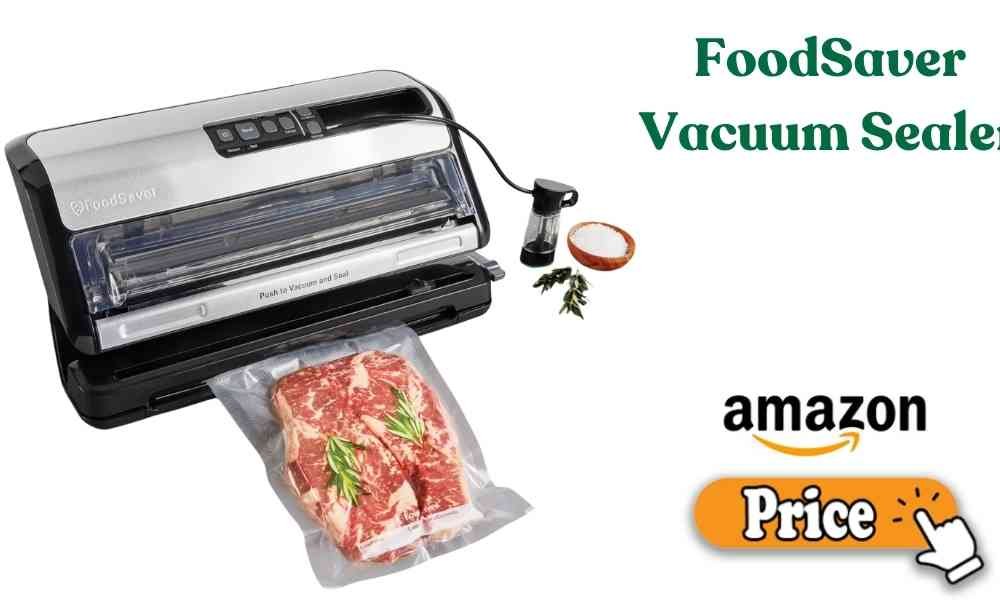
Foodsaver is the name everyone knows, and for good reason. They offer so many models that there is something for every budget. Their machines are generally faster and more automated, which is great when you are in a rush.
Pros and Cons
Foodsaver shines in convenience, but like any tool, it has its own set of trade-offs you should know.
| Pros | Cons |
| Very fast and easy to start | Suction can feel weaker on budget models |
| Most models have a removable drip tray | Thinner seal line than the Nesco |
| Great warranty on higher-end units | Often requires proprietary bags for best results |
Quick Seals Every Day
I kept a Foodsaver FM2100 on my counter for quick dinner prep. It is much faster than the Nesco when I just need to seal one bag of leftovers. The built-in handheld sealer on models like the 4840 is a total win for sealing those reusable zipper bags or wine bottles.
However, I did notice that the seals aren’t always as thick. A few times, I found air leaking back into my frozen steaks after a month. It is a very user-friendly machine, but you have to be careful to get the bag lined up just right. It’s perfect for the “set it and forget it” type of cook.
Recommendation
Foodsaver is perfect for busy families who want a quick, “no-fuss” solution for daily leftovers. It’s not the best pick if you need a heavy-duty seal for long-term deep freezing of moist meats.
Detail Comparison for Nesco Vs Foodsaver Vacuum Sealer
Choosing between these two comes down to your specific needs. While both get the job done, they excel in very different areas of food preservation.
Suction Power & Vacuum Speed
The Nesco VS-12 leads here with a 130-watt pump that pulls air out like a vacuum from space. Foodsaver models are faster to finish the cycle, but they don’t always reach that rock-hard vacuum level that Nesco hits.
| Feature | Nesco | Foodsaver |
| Pump Power | 130 Watts | Varies (80-110 Watts) |
| Speed | Slower (16s) | Faster (10-12s) |
Rating: Nesco: 9/10 | Foodsaver: 7/10
Seal Quality & Consistency
Nesco offers a double seal option which is a game changer for wet foods like marinated chicken. Foodsaver usually provides a single, thinner seal. In my tests, the Nesco seal felt much more secure for sous vide.
| Feature | Nesco | Foodsaver |
| Seal Thickness | 3/16 inch (Double option) | 1/16 to 3/16 inch |
| Reliability | Very High | High |
Rating: Nesco: 10/10 | Foodsaver: 8/10
Moist & Dry Food Settings
Both brands have “Moist” modes, but Nesco’s gentle pressure and pulse buttons give you more manual control. Foodsaver’s automatic sensing is convenient but can sometimes suck up liquid before it stops, making a mess.
| Feature | Nesco | Foodsaver |
| Pulse Control | Yes | Only on Pro models |
| Auto-Sensing | No | Yes (Most models) |
Rating: Nesco: 9/10 | Foodsaver: 8/10
Ease of Use & Controls
Foodsaver wins on simplicity. You often just insert the bag and it starts. Nesco requires you to lock the handle and press buttons manually. If you want a quick experience, Foodsaver is the clear winner here.
| Feature | Nesco | Foodsaver |
| Interface | Digital/Button | Mostly Automatic |
| Locking | Manual Handle | Auto or Easy-Latch |
Rating: Nesco: 7/10 | Foodsaver: 9/10
Cleaning & Maintenance
Cleaning is where Foodsaver takes the lead. Most of their models include a removable, dishwasher-safe drip tray. With Nesco, if juice spills, you are stuck wiping it out with a cloth, which can be a real pain.
| Feature | Nesco | Foodsaver |
| Drip Tray | Fixed | Removable (Most) |
| Maintenance | Moderate | Low |
Rating: Nesco: 6/10 | Foodsaver: 10/10
Conclusion
Both brands are excellent, but they serve different roles. I prefer the Nesco for my big garden harvests because that double seal never fails. If you just want to keep snacks fresh and value a clean counter, Foodsaver is your best bet. Always consider how much you seal at once before you buy.