
Ceramic Vs Cast Iron Dutch Oven: A Brutally Honest Guide
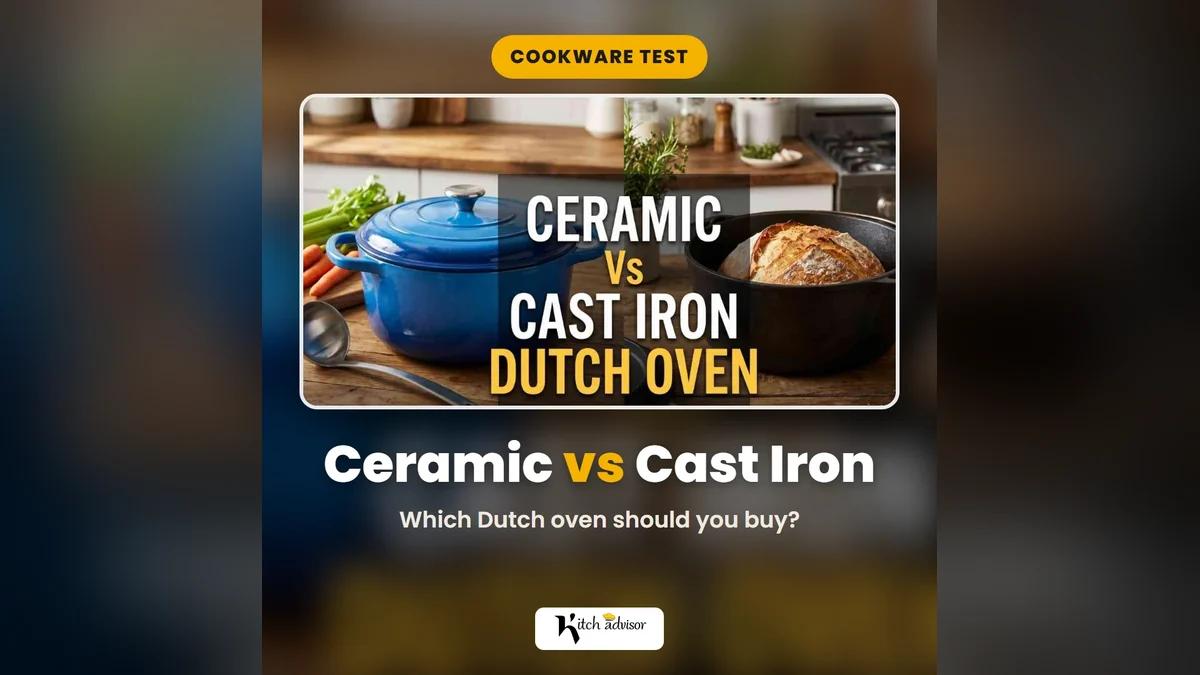
Last Sunday morning, I woke up craving a hot beef stew. As I stood in my kitchen listening to the rain tap against the window, I had to make a choice. It was the classic Ceramic Vs Cast Iron Dutch Oven debate right there on my counter. I want to share my real thoughts after using both of these great pots for years.
Quick Verdict: Ceramic or Cast Iron?
- Pick ceramic (usually enameled) if you want easy cleanup, cook acidic dishes like tomato sauce often, and never want to think about rust or seasoning.
- Pick bare cast iron if you want the best heat hold for searing and bread, a lower price, and a pot you can use over a campfire.
- Both are great for soups, stews, braises and no-knead bread.
The big trade-off is care versus toughness. A ceramic or enameled Dutch oven is ready to cook and easy to wash with soap. Bare cast iron needs seasoning and must be dried right away, but it holds heat like nothing else and can take rough handling for decades.
Ceramic Dutch Oven Review
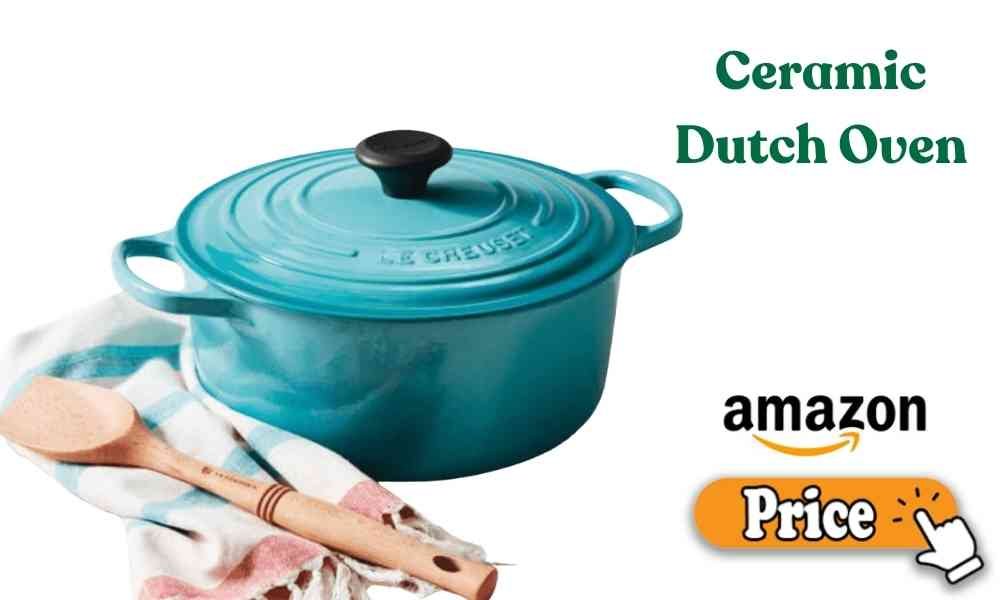
I bought a bright blue ceramic pot because it looked so pretty. It promised easy cooking without the fuss of extra oiling. Let me tell you, the shiny look brings joy to a messy stove.
Pros and Cons
Here is a quick look at the good and the bad after countless meals.
| Pros | Cons |
| Easy to wash with mild soap | Can chip or crack if dropped |
| Looks great on the dining table | Not meant for very high heat |
| No extra oil seasoning needed | Less tough than plain iron |
Two Months of Simmering Suppers
After a couple of months, I truly noticed how light it feels compared to raw iron. I love reaching for it when making sour tomato sauces. The smooth surface cleans up like a dream with just warm soapy water.
However, I do baby it a little bit. I am always careful not to bang my wooden spoon too hard on the rim. The fear of chipping that shiny finish is always in the back of my mind.
Recommendation
This pot is perfect for home cooks who want easy cleanup and pretty colors. It is not good for outdoor campers or people who tend to drop their pans.
Cast Iron Dutch Oven Review
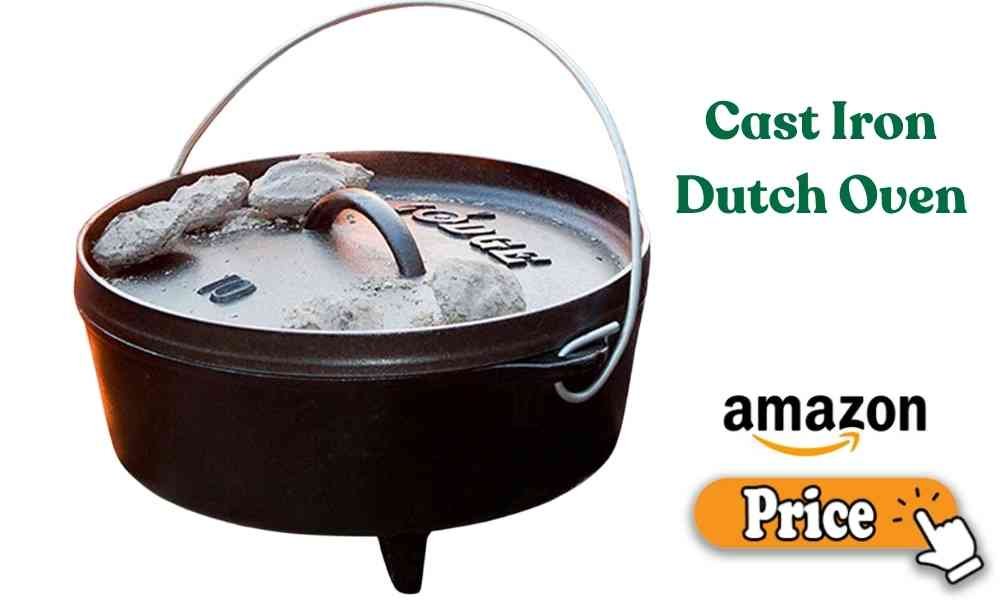
My heavy black cast iron pot is a true beast. I found it dusty at a local yard sale and brought it back to life. It took some hard work to season it with oil. Now, it is the toughest tool I own. The warm smell of baking bread in this pot just makes me smile.
Pros and Cons
Check out the real highlights and drawbacks of this rugged pot.
| Pros | Cons |
| Lasts for many decades | Very heavy to lift and move |
| Handles super high stove heat | Needs regular oiling to work well |
| Great crust for baking bread | Sour foods strip the finish |
Loving the Heavy Lifting
Using this raw iron pot for a few months taught me a lot. The crunchy crust it gives to a loaf of fresh bread is just amazing. It holds heat so well that my soups stay hot long after I turn off the stove.
But washing it can be a chore on lazy nights. I have to dry it fast and rub it with oil to stop bad rust. Sometimes, pulling it out of the bottom cabinet feels like a mini gym workout.
Recommendation
This rugged cooker is perfect for bakers, campers, and folks who want a pot to last forever. It is not good for people with weak wrists or those who hate extra cleaning steps.
Detail Comparison for Ceramic Vs Cast Iron Dutch Oven
Choosing between these two comes down to how you cook every day. Let us break down the most vital facts. Here is my honest breakdown of the Ceramic Vs Cast Iron Dutch Oven battle.
Cleaning & Maintenance: Ceramic Vs Cast Iron Dutch Oven
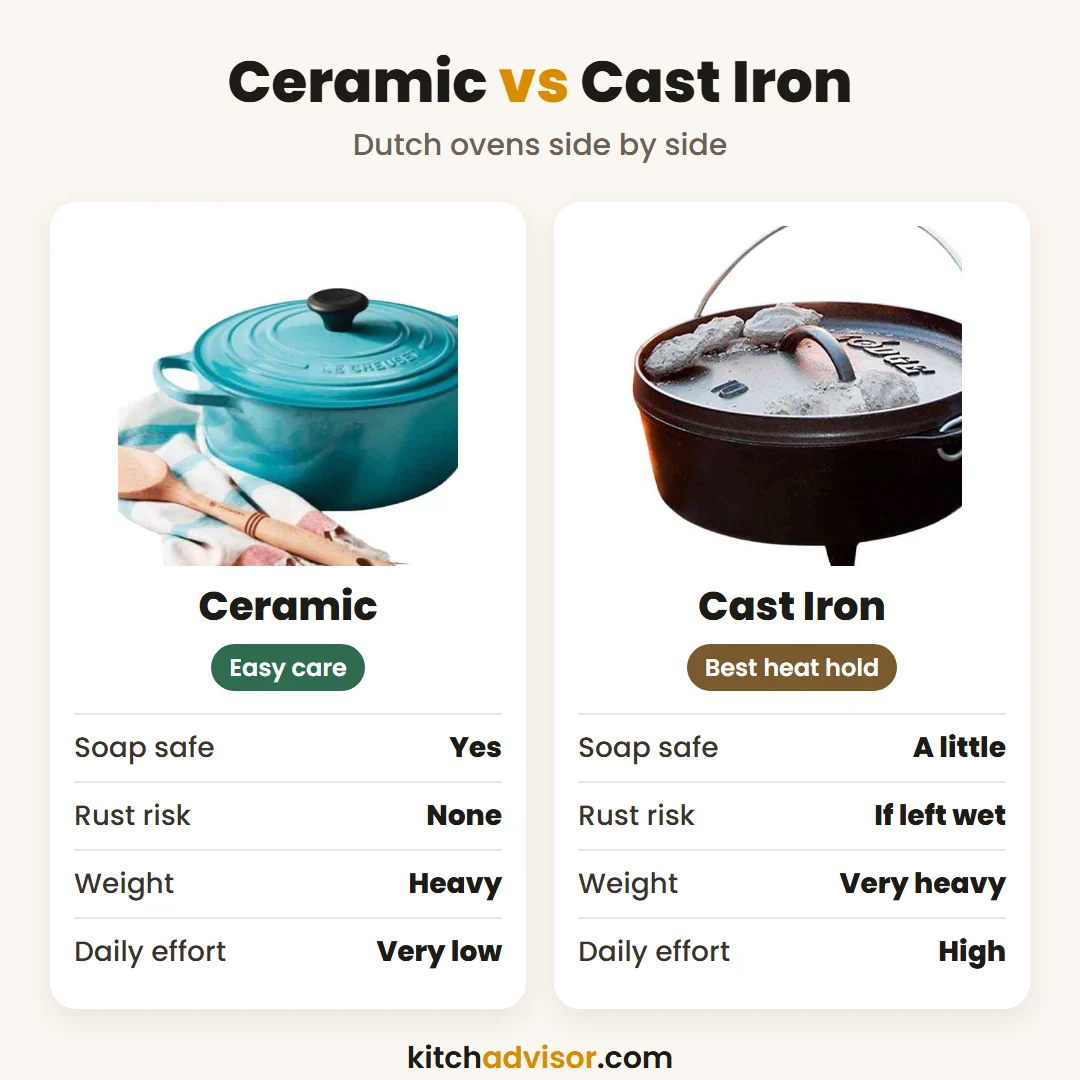
Ceramic wins for easy cleaning. A quick scrub with dish soap makes it shine. Raw cast iron demands hand washing, quick drying, and an oil rub to block rust.
| Feature | Ceramic Dutch Oven | Cast Iron Dutch Oven |
| Soap Safe | Yes, highly recommended | No, use very little |
| Rust Risk | None | High if left wet |
| Daily Effort | Very low | High |
Final Rating: Ceramic: 9/10 | Cast Iron: 5/10
Weight & Handling: Ceramic Vs Cast Iron Dutch Oven
Both are heavy, but ceramic feels a bit lighter in my hands. Bare cast iron is so dense that moving a full pot to the table makes my arms shake.
| Feature | Ceramic Dutch Oven | Cast Iron Dutch Oven |
| Base Weight | Heavy | Extremely heavy |
| Grip Ease | Smooth handles | Rough, hot handles |
| Lifting | Needs two hands | Needs two hands and strength |
Final Rating: Ceramic: 7/10 | Cast Iron: 5/10
Heat Retention: Ceramic Vs Cast Iron Dutch Oven
Both pots hold heat like pure magic. Once they get hot, they stay hot for a very long time. However, the thick walls of the black cast iron trap heat just a bit better for baking.
| Feature | Ceramic Dutch Oven | Cast Iron Dutch Oven |
| Warm-up time | Slow | Slow |
| Cool-down time | Very slow | Extremely slow |
| Best use | Soups and soft stews | Searing and crusty baking |
Final Rating: Ceramic: 8/10 | Cast Iron: 10/10
Durability: Ceramic Vs Cast Iron Dutch Oven
I dropped a lid once and chipped my ceramic pot, which broke my heart. Bare cast iron, on the other hand, is tough as nails and can survive a wild campfire.
| Feature | Ceramic Dutch Oven | Cast Iron Dutch Oven |
| Drop Risk | Can chip or break | Will likely survive |
| Scratch Risk | Scratches easily | Very hard to scratch |
| Lifespan | Decades with care | Multiple generations |
Final Rating: Ceramic: 6/10 | Cast Iron: 10/10
Cooking Versatility: Ceramic Vs Cast Iron Dutch Oven
I love cooking sour tomato sauces in my ceramic pot. Sour juice ruins the oil layer on bare cast iron. Yet, cast iron is much better for high heat searing and outdoor campfire cooking.
| Feature | Ceramic Dutch Oven | Cast Iron Dutch Oven |
| Sour Foods | Perfect | Avoid |
| High Heat Searing | Good | Excellent |
| Outdoor Campfire | Do not use | Perfect |
Final Rating: Ceramic: 8/10 | Cast Iron: 8/10
Who Should Buy Each Type
| If you… | Better pick | Why |
| Cook tomato sauce or chili often | Ceramic | Acidic food will not strip a coating |
| Bake crusty bread | Cast iron | Holds very high heat steadily |
| Hate extra cleanup steps | Ceramic | Soap and water, no seasoning |
| Cook outdoors or camp | Cast iron | Tough enough for open fire |
| Are on a tight budget | Cast iron | Usually costs much less |
Care Tips That Make Either Pot Last
- Heat slowly. Start on low or medium for a few minutes. Sudden high heat can crack enamel and warp food.
- Avoid thermal shock. Never pour cold water into a hot pot. Let it cool first.
- Use wood or silicone tools on ceramic and enamel to avoid chips and scratches.
- Dry cast iron right away. Wipe a thin layer of oil inside after drying to stop rust.
- Soak, do not scrape. For stuck food, soak with warm water and a little baking soda.
Frequently Asked Questions
Is a ceramic Dutch oven the same as enameled cast iron?
Not always. Many “ceramic” Dutch ovens are cast iron with a ceramic enamel coating. Some are solid ceramic. Check the product details before you buy.
Which holds heat better?
Bare cast iron holds heat slightly better and handles very high oven temperatures. Enameled pots are close and more than enough for most home cooking.
Can I use soap on cast iron?
A little mild soap is fine. Just dry it fully and add a thin coat of oil afterward.
Which is better for bread?
Both work, but bare cast iron is a favorite for crusty bread because it handles very high oven heat without worry.
Conclusion
At the end of the day, both pots earn a special spot in my kitchen. If you want simple cleaning and bright colors, go for ceramic. If you want a tough pot that outlives you, pick raw cast iron.