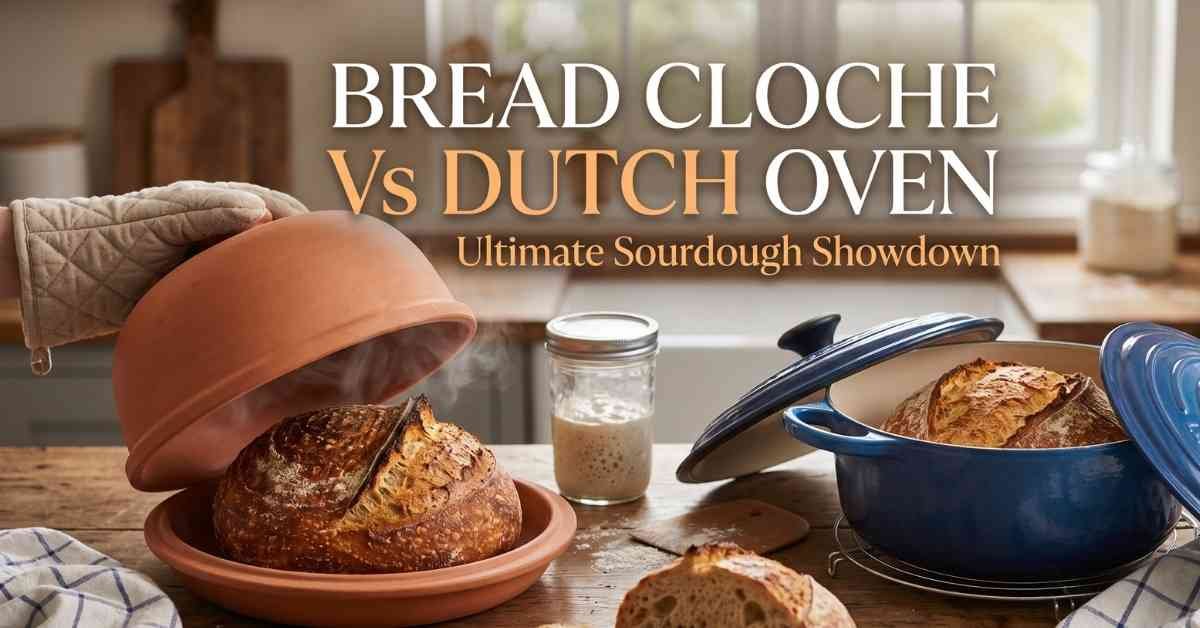
Baking sourdough at home is a messy, beautiful journey. I still remember pulling my first flat, pale loaf out of the hot oven on a rainy Tuesday. It tasted fine, but it lacked that loud, crisp crust. That failure sent me down a deep rabbit hole of baking gear. Now, I want to share my honest thoughts on the classic Bread Cloche Vs Dutch Oven debate.
Bread Cloche Review
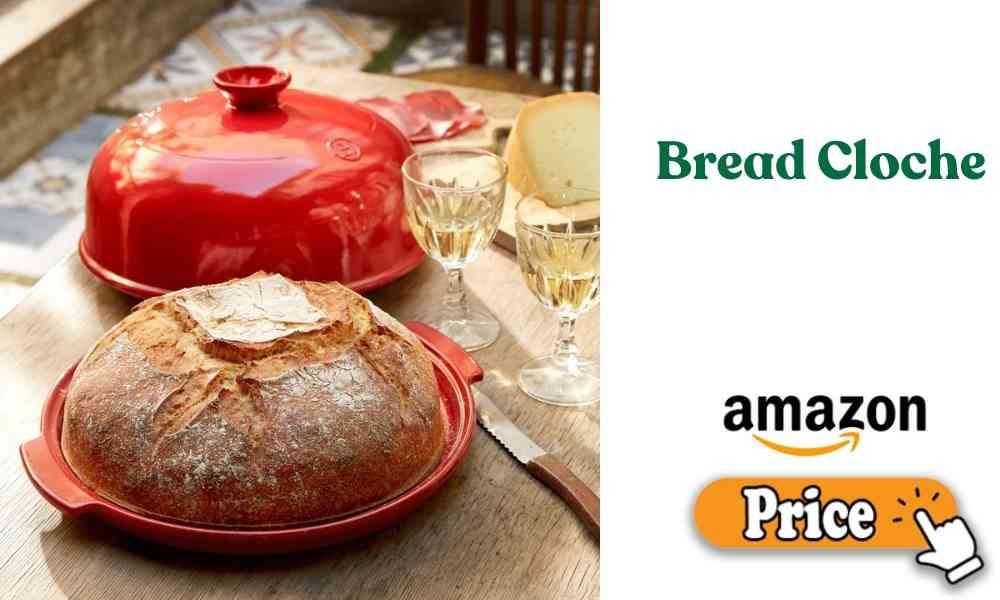
A bread cloche is a bell-shaped baking vessel made just for bread. The unglazed ceramic soaks up heat and mimics a real brick oven. It traps steam right in your home kitchen.
Pros and Cons
Here is a quick look at what I love and what bugs me about the cloche.
| Pros | Cons |
| Amazing oven spring | Fragile ceramic lid |
| Shallow base prevents burns | Single-use kitchen tool |
| Beautiful rustic crust | Takes up lots of space |
My Experience After Months of Baking
After using the cloche for a few months, I truly noticed a shift in my crust quality. The bell shape traps steam perfectly. I love smelling that earthy, wet clay aroma when it heats up. Loading the dough is a total breeze. The shallow base means I never burn my arms when dropping in the soft dough.
However, I constantly worry about dropping the lid. It is quite fragile compared to heavy cast iron. Also, it sits in my cabinet taking up space when I am not baking bread. It does one job, but it does it very well.
Recommendation
This is perfect for the dedicated bread baker who wants a flawless crust and easy dough loading. It is not great if you have limited kitchen space or want a tool you can use for everyday meals.
Dutch Oven Review
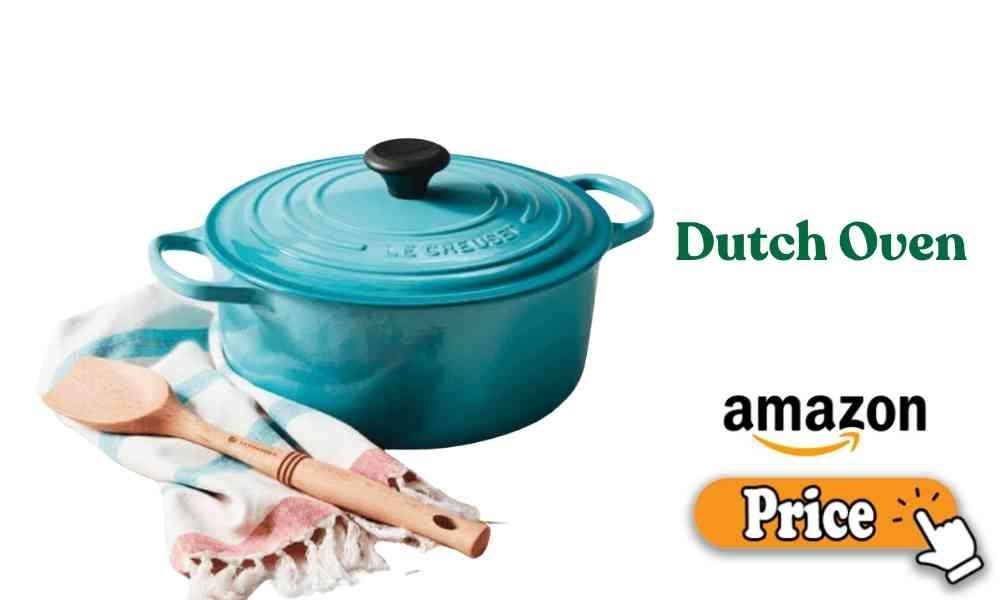
A cast iron Dutch oven is a heavy pot with a tight lid. It is a true workhorse in the kitchen. The thick walls hold intense heat, creating a mini oven inside your main oven. It traps the steam from the dough to create a great crust. Plus, you can use it for nearly any big meal.
Pros and Cons
Let us look at the good and the bad of this classic cooking pot.
| Pros | Cons |
| Super versatile for meals | Deep pot can cause burns |
| Extremely strong and durable | Very heavy to lift |
| Holds heat perfectly | Hard to center soft dough |
Heavy Lifting and Hot Bakes
I have baked countless loaves in my Dutch oven over the years. The thick cast iron gets raging hot and gives the bread a fantastic rise. I love hearing the bread crackle as it cools on the rack. But, lowering a wobbly, wet dough into a searing hot, deep pot is always a bit scary.
Even with thick parchment paper, I have grazed my knuckles on the hot sides more than once. Still, I use it all winter for chili and hearty roasts. It never just gathers dust on the shelf.
Recommendation
The Dutch oven is perfect for minimalists who want one pot that does it all. It is not ideal for folks who struggle with heavy lifting or hate reaching into deep, very hot pots.
Detail Comparison for Bread Cloche Vs Dutch Oven
Choosing between these two comes down to how you cook. Let us break down the Bread Cloche Vs Dutch Oven debate across five key areas.
Material & Construction: Bread Cloche Vs Dutch Oven
The cloche is usually unglazed ceramic or natural clay. The Dutch oven is thick cast iron, often coated in smooth enamel. One is delicate, and the other is built like a tank.
| Feature | Bread Cloche | Dutch Oven |
| Primary Material | Ceramic or clay | Cast iron |
| Weight | Moderate | Very heavy |
Final Rating: Bread Cloche 7/10 | Dutch Oven 9/10
Heat Distribution: Bread Cloche Vs Dutch Oven
Both vessels do a great job of holding heat. Cast iron absorbs heat slowly but keeps it longer. Ceramic heats up a bit faster and mimics rustic brick ovens.
| Feature | Bread Cloche | Dutch Oven |
| Heat Type | Radiant, brick-like | Intense, sustained |
| Preheating Time | About 30 mins | About 45-60 mins |
Final Rating: Bread Cloche 9/10 | Dutch Oven 8/10
Ease of Use: Bread Cloche Vs Dutch Oven
The cloche wins big here for bakers. Its shallow base makes sliding dough in super safe and easy. A deep Dutch oven requires careful drops to avoid bad burns.
| Feature | Bread Cloche | Dutch Oven |
| Loading Dough | Easy, shallow base | Hard, deep walls |
| Burn Risk | Low | High |
Final Rating: Bread Cloche 9/10 | Dutch Oven 6/10
Cooking Versatility: Bread Cloche Vs Dutch Oven
You can only bake bread in a cloche. A Dutch oven can bake bread, simmer soups, fry chicken, and roast meats. It is the ultimate kitchen helper.
| Feature | Bread Cloche | Dutch Oven |
| Uses | Bread only | Soups, stews, frying |
| Daily Value | Low | High |
Final Rating: Bread Cloche 4/10 | Dutch Oven 10/10
Cleaning & Maintenance: Bread Cloche Vs Dutch Oven
Unglazed clay cloches just need a dry stiff brush to wipe away loose flour. Enameled cast iron pots can be washed safely with mild soap and warm water.
| Feature | Bread Cloche | Dutch Oven |
| Cleaning Method | Dry brush, no soap | Soap and warm water |
| Maintenance | Handle with care | Very simple |
Final Rating: Bread Cloche 8/10 | Dutch Oven 8/10
Conclusion
Both tools make amazing sourdough bread. If baking is your main hobby and you want safe dough loading, get the cloche. If you want a kitchen hero that cooks everything, stick with the Dutch oven.